
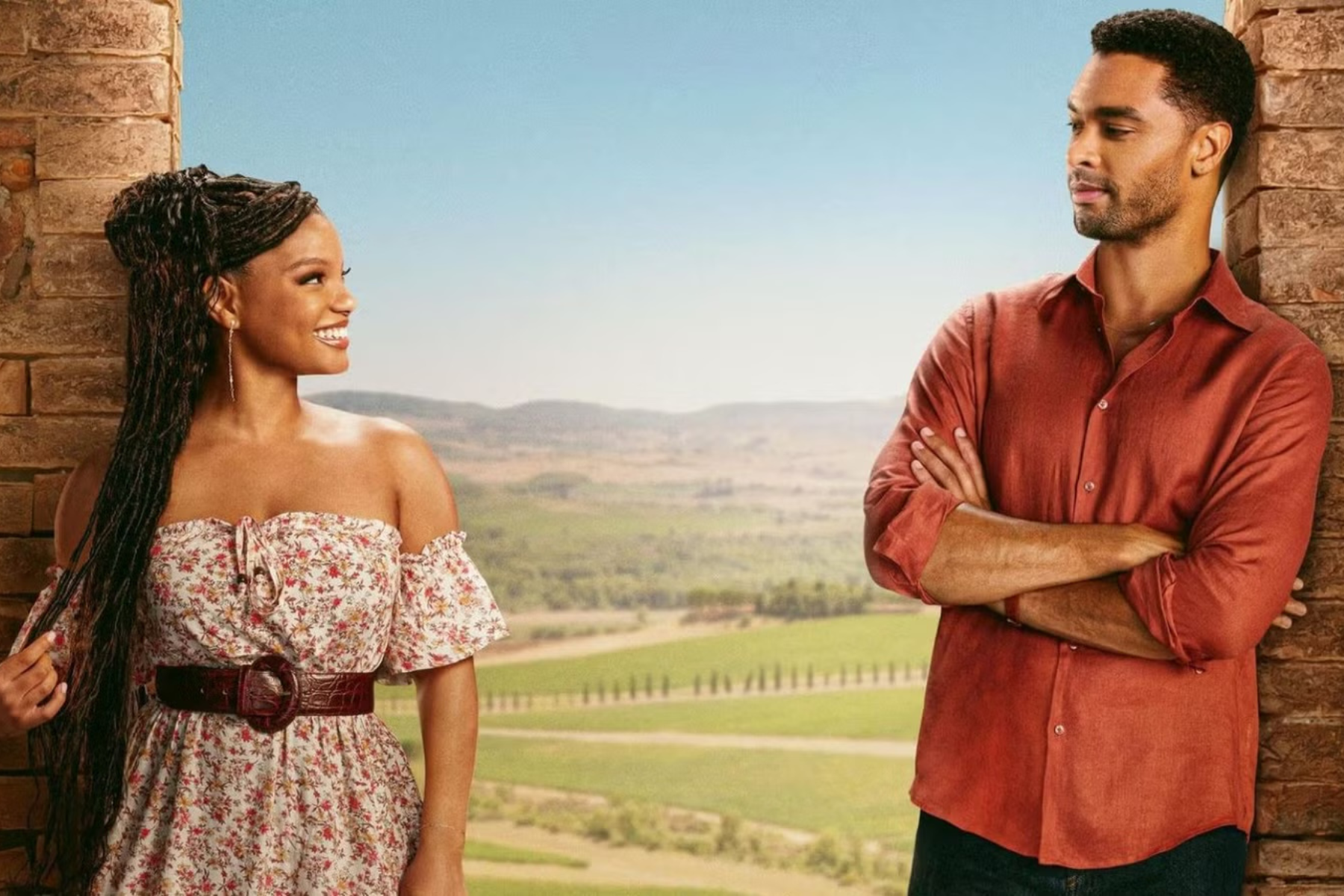
From the very first notes of its opening track, You, Me & Tuscany establishes a tone that feels warm, inviting, and unmistakably optimistic. It is the kind of film that knows exactly what it wants to be and leans into that identity without hesitation.
At the center of the story is Anna, a young woman whose dreams of becoming a chef have been quietly sidelined. Life has intervened in ways that feel grounded and relatable, forcing her to step away from culinary school and into a version of adulthood that feels more like survival than fulfillment.
That emotional foundation gives the film a sense of purpose before it transitions into something lighter and more escapist.
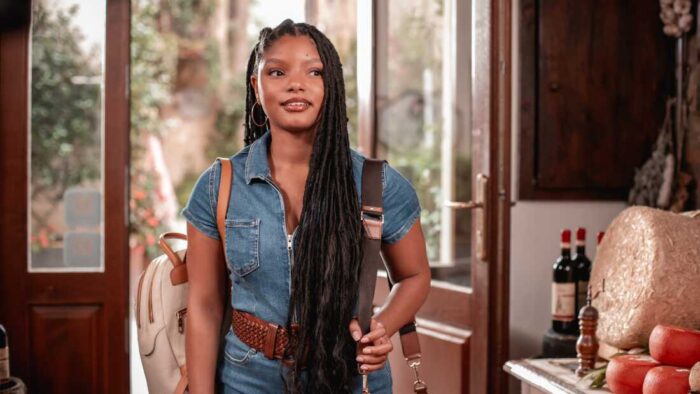
A chance encounter leads Anna to Tuscany, where the film fully embraces its romantic comedy instincts. The setup is familiar, built on coincidence and spontaneity, but it works because it commits to the charm of the premise.
The Tuscan setting plays a significant role in that success. The landscapes are lush and picturesque, and the film takes its time showcasing them without letting the visuals overpower the story.
The narrative quickly shifts into classic romcom territory when Anna finds herself in a situation built on mistaken identity. A vacant villa, a misplaced engagement ring, and a family eager to believe she belongs create the foundation for a lie that steadily grows more complicated.
It is a well-worn device, but the film approaches it with enough sincerity and warmth to keep it engaging.
Halle Bailey brings a natural ease to Anna that makes her instantly likable. She plays the character with a balance of curiosity and vulnerability, allowing the audience to understand both her impulsive decisions and her underlying desire for something more meaningful. There is a quiet emotional thread running through her performance that grounds the more fantastical elements of the story.
Regé-Jean Page’s Michael provides an effective counterbalance. His introduction, sparked by a small but memorable conflict, sets the tone for a dynamic that evolves from irritation into something more layered.
Page leans into Michael’s steadiness without making him feel static, giving the character a presence that feels grounded even as the story around him becomes increasingly chaotic.
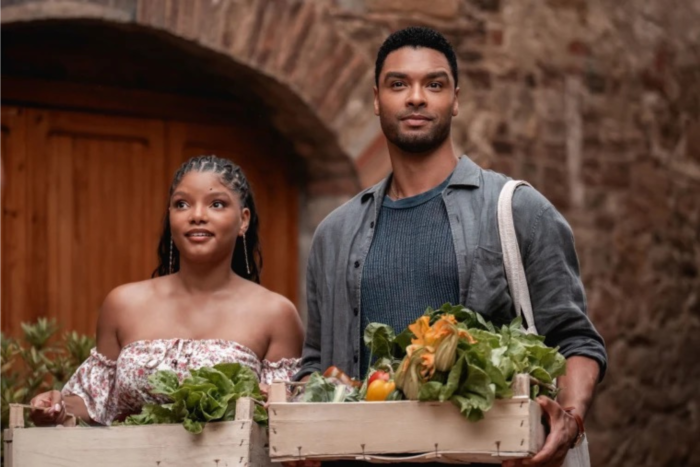
The chemistry between Bailey and Page is one of the film’s strongest assets. Their interactions feel natural, allowing their connection to develop in a way that feels believable even when the circumstances surrounding them are heightened.
Whether they are sharing quieter conversations or getting pulled into more playful moments, their dynamic carries the emotional weight of the film.
As the story progresses, the return of Mateo complicates the narrative in expected but effective ways. The situation that once felt contained begins to unravel as relationships overlap and truths become harder to avoid. While the love triangle dynamic is familiar, it introduces just enough tension to keep the story moving forward.
Not every narrative beat lands with the same level of impact. Some of the film’s emotional resolutions, particularly those involving family relationships, feel slightly rushed.
Moments that could have benefited from more development are resolved quickly, creating a sense that the story is eager to move toward its conclusion.
Still, the film maintains its charm.
Much of that comes from its commitment to tone. The humor feels organic, the emotional moments are sincere, and the story never loses sight of its central themes. It remains focused on growth, connection, and the idea that stepping outside of your comfort zone can lead to unexpected clarity.

The music further enhances that tone. The soundtrack blends contemporary artists like Olivia Dean, Ari Lennox, and Elmiene with the film’s historic and cultural setting in a way that feels cohesive and intentional, adding another layer to the overall atmosphere without overwhelming it.
Even the film’s more predictable elements are elevated by its performances. Bailey and Page bring enough authenticity to their roles to make the emotional beats resonate, while the supporting cast adds warmth and texture to the story’s world.
You, Me & Tuscany does not attempt to redefine the romantic comedy. Instead, it embraces what makes the genre appealing and delivers a version of it that feels polished, heartfelt, and easy to enjoy.
It may not surprise you, but it does not need to.
Sometimes, a film that offers a sense of warmth, charm, and emotional sincerity is exactly what works.
You, Me & Tuscany is currently playing in theaters.
Follow us on X and on Instagram!
Like us on Facebook!
Tim H

Tim is a creator and creative with a deep passion for TV, movies, music and pop culture. With a sharp eye for storytelling and a love for all things on screen, he brings entertaining, thoughtful, and often hilarious commentary to his growing community. Whether he’s breaking down a plot twist, highlighting overlooked characters, or sharing his unfiltered reactions, Tim makes screen time feel like a conversation with your favorite binge-watching bestie. In addition to being a creator, Tim co-hosts a podcast called Rated T&T where he dives even deeper into fandom, music, and media alongside his co-host, delivering hot takes, deep dives, and lively fan-focused discussions and interviews that feel like a group chat brought to life! Streaming on Spotify, Apple Music, iHeartRadio and YouTube! Follow along: TikTok & IG (Tim): @casualfandomwithtim | TikTok & IG (Rated T&T): @ratedtandtpodcast