
Women’s History Month is right around the corner, and reading is a perfect way to learn more about the women who came before us. It’s accessible, opens doors to history, and allows readers an immersive way to experience life through historical women’s eyes.
Fictional novels in a variety of settings can introduce us to the joys, motivations, accomplishments, and hardships of women, both real and imaginary, for us to apply to real life, and nonfiction books tell the true stories of fascinating and impressive women we can all look up to.
This month is for all women, those whose voices echo through the ages, or those whose stories are a little more recent and tangible.
Spanning centuries and continents, here are four historical fiction novels and two nonfiction history books, all written by women, to read this Women’s History Month. Many feature real-life women, and others draw inspiration from the trials and triumphs of others.
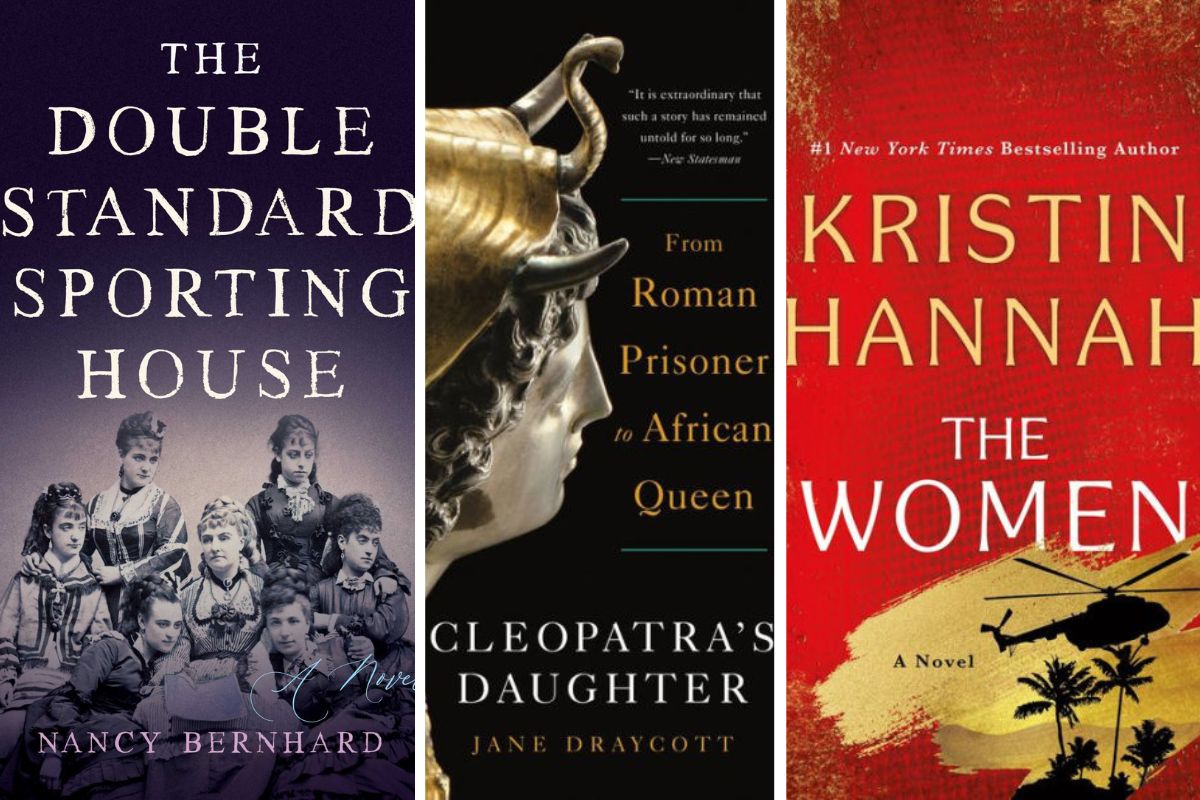
1. The Women

This stunning work by best-selling author Kristin Hannah sheds light on the female Army nurses who served in Vietnam. They don’t just face adversity treating severe wounds or grievous injuries sustained from combat, but even after these women returned home, life is anything but easy.
The Women follows Frankie McGrath as she first adjusts to the pressures of war-torn Vietnam, at risk of attack even in Army hospitals. A young woman rejected by her Navy-hero father, Frankie finds courage to pursue her own path and help her fellow man by enlisting in the Army Nurse Corps.
Additionally, this novel details Frankie’s struggles returning to an America that doesn’t want her, that tries to pretend she and her service simply do not exist. As difficult as returning to civilian life is for male Vietnam vets, assimilating is just as hard for women like Frankie. Her friends, combat nurses Barb and Ethel, seem to transition back to a normal life more easily than Frankie, and this shapes the second half of the story.
Featuring three strong, albeit fictional, female characters, The Women pays tribute to all the nurses who saw combat in Vietnam. It finally tells their story. The Vietnam in this novel is not just heavily experienced by the men fighting on the front lines, but also for the women who heal them, who hold their hand as they succumb to wounds.
Their strength, like Frankie’s, is internal just as much as external. They paved the way for women in the military and medical fields. Reading The Women is one small way to acknowledge and honor their sacrifices. This book is Hannah’s humble way to give back, as she came of age during the Vietnam War.
2. The Double Standard Sporting House

Nancy Bernhard’s debut novel centers around the titular Double Standard Sporting House, a high-class brothel in late 1860s New York City. Nell “Doc” Hastings is a physician and healer, who owns and runs both the house and a clinic for girls and women; this is the only way she can maintain a medical practice: in secret and away from the eyes of men.
Detailing the lives of the women of the brothel, as well as Doc’s emerging medical practice, The Double Standard Sporting House intwines another plot about the infamous and corrupt Tammany Hall political syndicate, ran by Bill Tweed, which weaves its way into nearly all aspects of life in the city. Powerful men frequent the Double Standard–some friends, others enemies.
Doc is a force to be reckoned with, doing all she can to protect the “harlots” under her charge as well as provide care for as many battered and mistreated women as she can. She balances a delicate line, squaring up with Tammany bosses while having no choice but to pay them off.
Above all, she fights for her medical research to be taken seriously and included in scientific journals and publications of the day.
While a fictious brothel, many real women are featured in The Double Standard Sporting House, and others, like Doc, represent the women whose hard work and dedication made strides in the fields of medicine.
Not an easy read, The Double Standard Sporting House is well worth it in its moments of humor, humanity, and feminism.
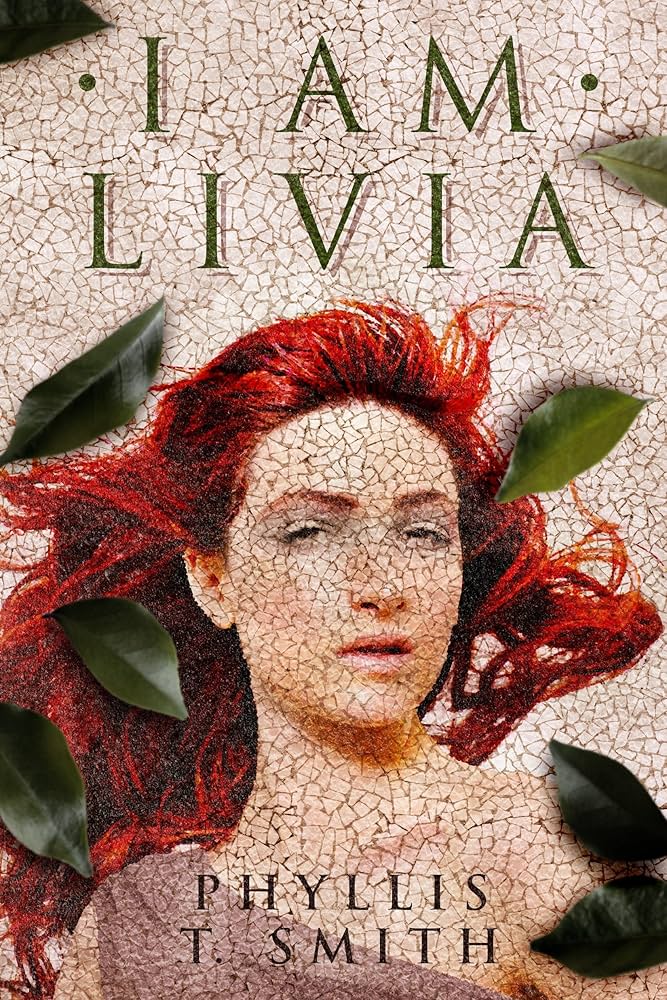
3. I Am Livia
Women’s history is as old as humanity’s history.
In I Am Livia, author Phyllis T. Smith strives to reframe the tale of Empress Livia Drusilla, an often villainized woman of history. Perhaps best known as the wife of Emperor Caesar Augustus, Livia has been named a poisoner and worse by her contemporaries and modern historians alike.
The ancient world feels poignantly modern in Smith’s novel. Livia calls down to us from the centuries and immerses us in her world, demanding her voice be heard. She is an empress in her own right, but her story does not begin when she marries Augustus.
Before him, I Am Livia chronicles how she interferes with politics and schemes for her safety and promise of a brighter future. Livia is quick thinking and possesses grace and an intelligent mind. Later, she and Augustus form a powerful alliance, one that grants her more prestige and influence than she could have ever imagined.
A fearsome and misunderstood empress, Livia is a fascinating subject for Women’s History Month. While not perfect, her imperfections in this novel humanize her. Livia is a strong and relatable narrator, reclaiming her story brilliantly. For the first time, she is not a background character in someone else’s life. Her strong presence allows her to take the forefront, demanding respect and admiration, easy to give as a reader.
Through works like I Am Livia, readers can learn about women in the distant past and how their stories are just as relevant to us today.
4. Her Lost Words

Spanning decades, Her Lost Words by Stephanie Marie Thornton dives into the lives of two very famous women, who happen to be mother and daughter: Mary Wollstonecraft and Mary Shelley. Both feel especially important to learn more about for Women’s History Month, as their accomplishments are still recognized today.
From Wollstonecraft’s involvement in reporting the French Revolution to Shelley writing the first science fiction novel, through a dual timeline format, Her Lost Words takes readers on an intimate journey into both of these women’s lives, showcasing their triumphs and heartbreaks.
Wollstonecraft is a published author, penning groundbreaking feminist theories in her works such as A Vindication of the Rights of Woman. She is content living on the outskirts of late 1700s society, knowing women are equal to men, even if those around her refuse to accept the idea. This Mary faces scrutiny but chooses to pursue her ideals.
While not as fiercely feminist as her mother, Mary Shelley is a visionary in her own right. She must navigate a ruinous romance and being displaced for her choices, yet she is free in her own way. Both of these women transform their worlds.
Her Lost Words is a historical fiction novel, not only exploring the achievements of these two literary women, but also getting to the heart of their motivations, emotions, destinies, and secrets. Stephanie Marie Thornton has written many books about little-known women in history, and both Mary Wollstonecraft and her daughter are in good hands here.
5. Cleopatra’s Daughter

Most everyone is familiar with the infamous Cleopatra VII, last queen and pharaoh of Egypt. But not everyone knows the story of her equally fascinating daughter, Cleopatra Selene.
They can learn all about her in the nonfiction book Cleopatra’s Daughter.
Living in her mother’s shadow, Selene overcomes being a Roman prisoner after the death of her parents and eventually is bestowed a queenship of her own by Caesar Augustus, the very man who defeated her family.
Selene rules over the African country of Mauretania along with her husband, King Juba II, creating a thriving, intellectual, and peaceful kingdom to rival Alexandria, Egypt, Selene’s birthplace. Juba and Selene’s marriage is most likely a love match, a touching detail that further imparts her humanity and successes.
In this riveting book, author and historian Jane Draycott brilliantly brings to life Cleopatra Selene, describing her history and rule. There’s still so much we may not know about Selene’s life, but Draycott provides ample context and background so readers can easily picture what her world was like.
A fascinating historical figure, Selene is truly an inspiration for women everywhere; she is someone who lost everything and, through patience and quiet endurance, gained so much back.
Not only an Egyptian princess and African queen, Selene may have been worshipped as a mystical figure, with relics relating to her found all the way in Pompeii–read Cleopatra’s Daughter to learn more about her life and legacy.
6. The Northwomen

Heather Pringle’s expertly crafted nonfiction book about the women of the Viking Age reclaims their stories. These women did not sit idle as their men went off to war, conquered foreign lands, and explored the seas.
In The Northwomen: Untold Stories From The Other Half of the Viking World, readers are taken on a journey, through the eyes of famous and not-so-well-known Norse women. They are rulers, sorcerers, weavers, warriors, traders, voyagers and much more, as well as wives and mothers, sisters and friends.
Each section begins with a fictional vignette about a particular woman, easing readers into these well-researched chapters. A freelance science writer, Pringle does not only interview experts in the field, she is actively engaged in her research for this book. She accompanies historians and archaeologists who have a common goal of shining a light on just how powerful and lively Viking women were.
Pringle does her best to fill in gaps, bringing to life the Viking world. These women wear jewelry and clothing from all around the world, and they leave their mark in countries like Iceland and famed cities such as Constantinople. Some are laid to rest in some of the most complex burials of the Viking age, and others are feared as seers and mystics.
This Women’s History Month, consider studying the complexities of Norse women. Start with The Northwomen. The Viking world as we know it would look much different without their input, influence, and hard work, as Pringle so deftly demonstrates in her book.
What books are you reading this Women’s History Month? Let us know in the comments!
Amanda Larch Hinchman

Amanda Larch works as a writer and editor when she’s not in the middle of a good book. Learn more about her work and view her portfolio at www.amandalarchwriter.com/ and keep up with her on Goodreads @_groovyginger_.