
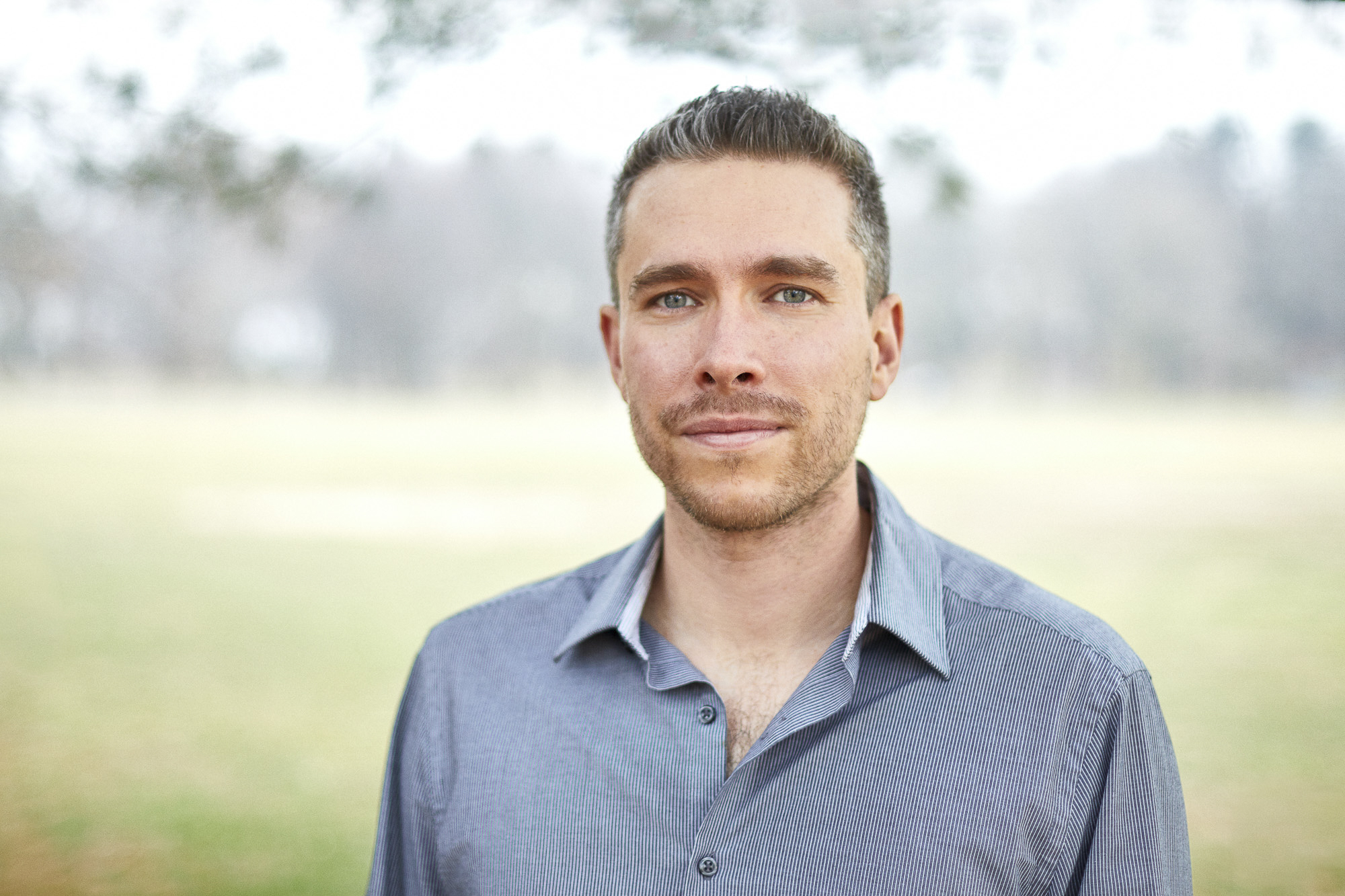
Daniel Glick is originally from Brooklyn, but a little over a decade ago, he moved to Montana. This move introduced him to the majestic animal, the buffalo.
From there, he developed an interest in the history of these animals and how it intertwines with indigenous history. This passion led him to create the documentary Bring Them Home, which is centered on telling the story of the buffalo and the Blackfeet Tribe.
It might have taken him much longer than he anticipated, over eight years to be exact, but the end result was more than he ever could’ve imagined.
I recently spoke with Daniel Glick about Bring Them Home and the significance of the movement to bring the buffalo back to their native lands.
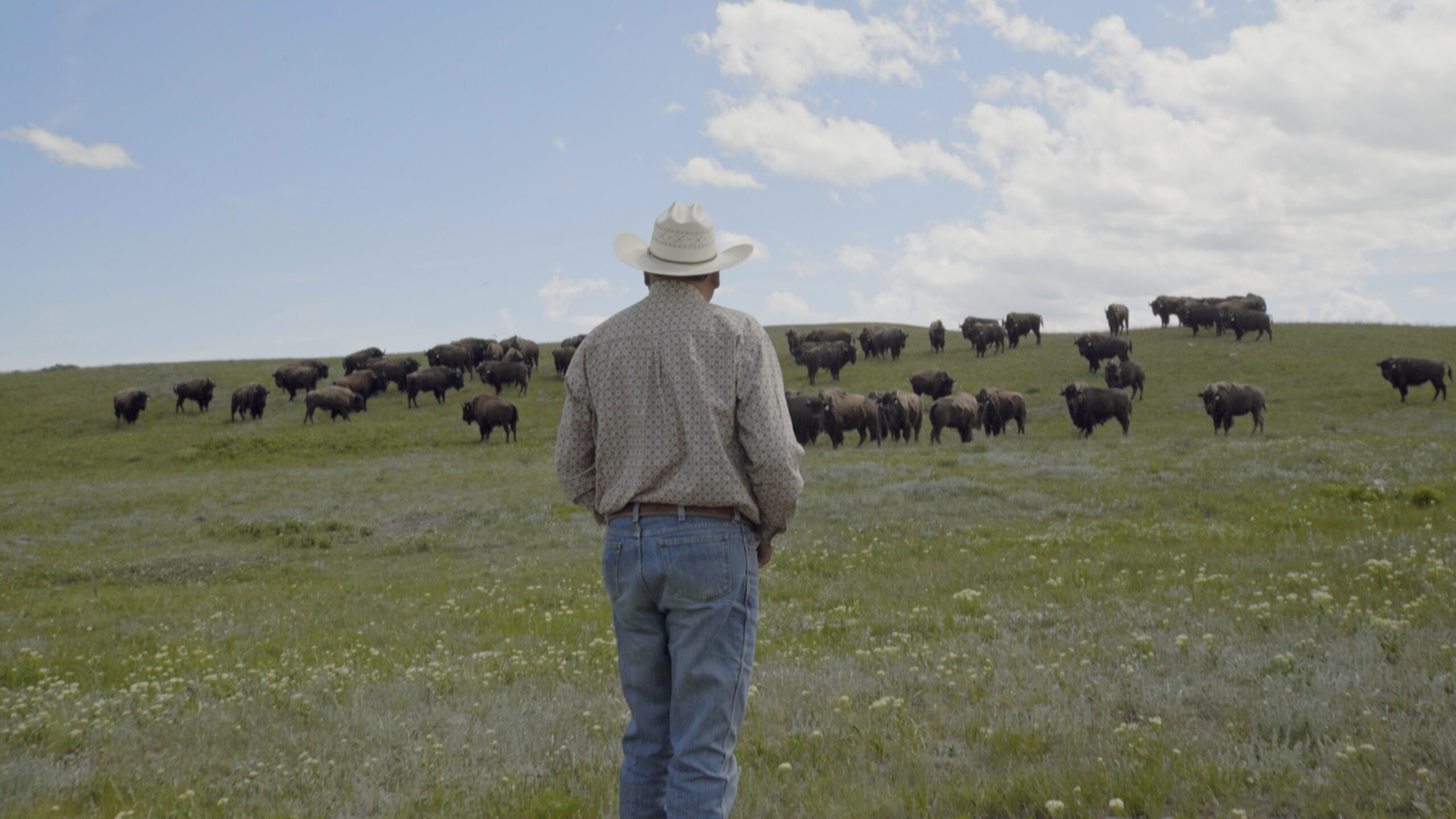
“I’m not Blackfeet; my two co-directors, Ivan and Ivy [MacDonald], are. I am also East Coast, born in Brooklyn, so pretty far from the Blackfeet reservation. But I moved to Montana about 11 years ago and pretty soon after that, saw my first buffalo/bison and started thinking, ‘Oh, okay, I want to spend time around this animal,'” Glick explained.
“ The nice thing about making films is it’s like a passport to all these worlds you couldn’t really access otherwise,” Glick added.
He went in search of a buffalo herd to create a story about them. After some searching and getting nowhere, Glick was approached by the Blackfeet reservation to do a “conservation story.” He then “saw their herd of buffalo on the side of the highway” and thought it was a perfect opportunity.
“ So I reached out to the head of the Buffalo program. And Ervin Carlson, who’s in the film, was kind enough to open his doors to shooting a short film on the Buffalo Drive. So that’s how I started,” Glick continued.
He went on to explain that the initial group was a small “mix of indigenous and non-indigenous crew.” It was when he connected with this group that he first heard about the Elk Island herd and knew he wanted to tell their story.
“ I wonder if anyone’s making that, and nobody was. [I] started that effort thinking it would take about six months, because that’s what I was told. I was told they were about to release them, and it took eight years,” Glick said.
“It just started from impetus or this desire to learn more about the animal and to be close — physically close to the animal.”
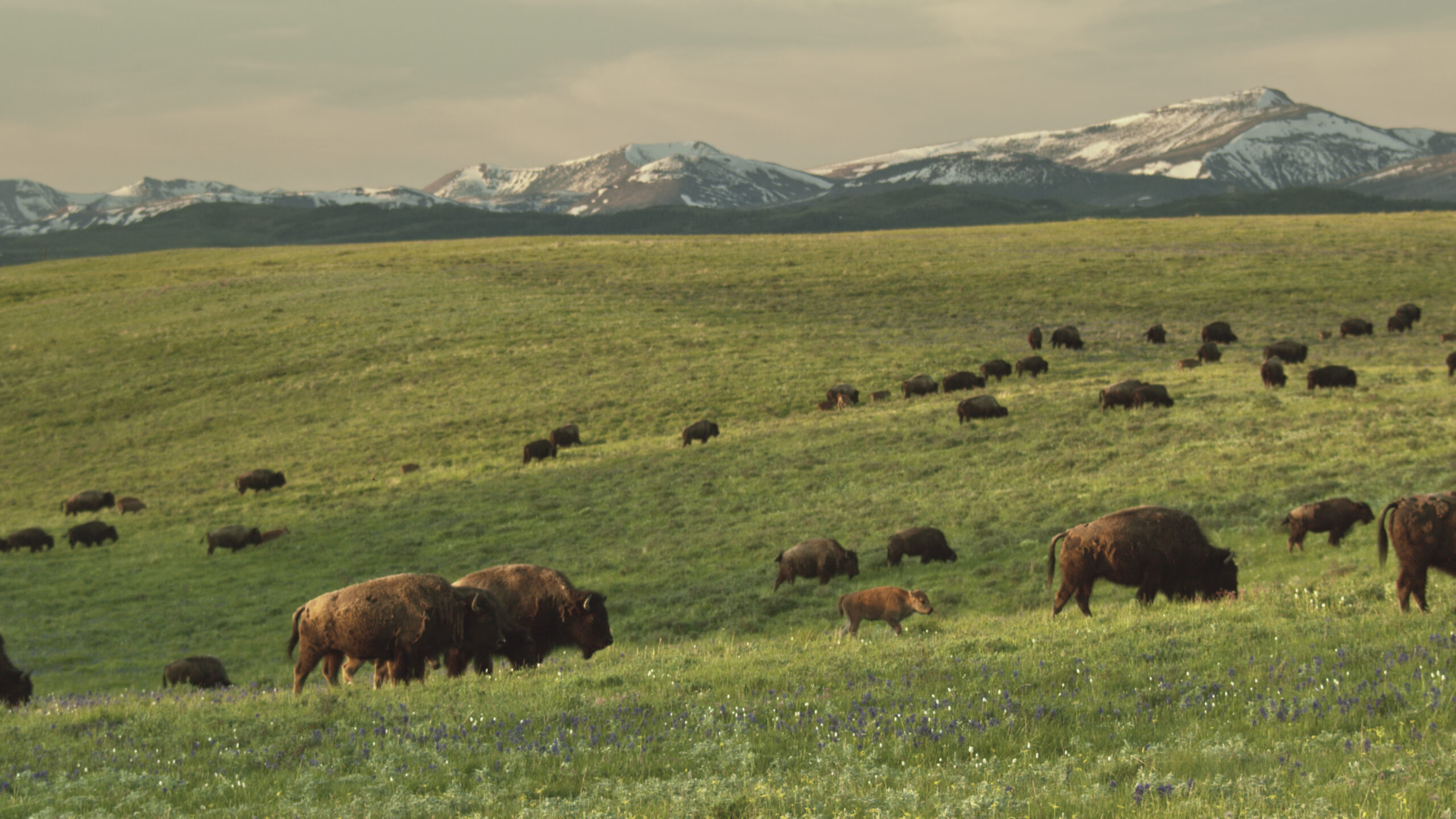
“Then it evolved into this really wonderful project [where] I fell in love with the mission, the people, the land, and the community,” Glick said. “I was lucky enough to find my co-directors, who were from there, and collaborate with another hundred Blackfeet in different ways.”
The project took many years, so I was curious if that meant Glick was filming consistently during that time or if his work was more sporadic. Interestingly enough, he informed me that it was “sporadic” and required “three, four, or five trips a year.”
“As we figured out the story, we spent longer periods of time up there, ’cause we started to hone in on, ‘Okay, here’s what we need.’ But there is so much unpredictability about what was gonna happen and when things were gonna happen,” Glick added.
Unlike some other filming projects, centering a story on the relocation of animals as large as buffalo meant they had to rely on other elements in order to finish the effort. From grass to tribe politics, the actual relocation of the buffalo became a balancing act.
“It was very much a process of trying to surrender to the realities of managing a buffalo herd and trying to follow the action as it happened and really having zero idea of how long this would take and when or if they would release the buffalo.”
When it came time for Glick to start filming this project, he credited his previous experience filming a conservation story in the area for why he didn’t receive much pushback from the various tribe members.

“It was all very open. I mean, maybe it helped that I had spent a year already up there working on this film, a conservation story about trying to help protect this area of mountains called the Badger Two Medicine. Which used to be a part of the Blackfeet reservation, and the Blackfeet still have treaty rights there. And so I made this film.”
Bring Them Home has the added bonus of Lily Gladstone, known for her role in Killers of the Flower Moon, narrating the story of what happened to not only the Blackfeet tribe but the buffalo as well. Their voice allows the viewer to feel the emotional depth that comes with losing their cultural connection to the animal that used to be vital to their survival.
“There was always Lily, from day one,” Glick said. “I knew her already since back in 2017. I had known a couple of her cousins from working on the short films that I had worked on. And Lily, back then, was the actor from the Blackfeet Reservation.”
“She’s the right fit. It’s great that she has all this experience and that it’s the voice of a woman, which I think is really important for the film, but also just how incredibly talented Lily is. Back then, everyone knew in Montana. She hadn’t catapulted to the national stage yet, but it was always Lily.”
When asked about how long the process was from start to finish on the film, Glick excitedly went into detail about each step they had to take.
“So 2016 was when they brought those buffalo back, and 2016 was our first shoot. And then they released the animals in 2023. We premiered the film in February 2024. So it was really the entire span of that. There was a lot of time that we spent discovering the history on the reservation,” he said.
“I think a lot of the time, it was capturing the nuance of this challenge. Capturing the struggles and the realities of working with buffalo on the ground, and then just doing this investigation into the past of, ‘How did we come here?’ And then, ‘What’s in the way now and how do they move forward?”
“The editing process itself was three years,” Glick added.
To round out our conversation, I asked Glick what he hoped people would take away from this documentary. “On one hand, I hope people take away a love for bison, a love for buffalo. And hopefully that would help lead to more buffalo being returned, more respect for that animal,” Glick said.

“On another level, I think people [should] take away the lessons that Leroy shares in the film: that people can understand the Blackfeet perspective and the Blackfeet worldview, especially non-Indigenous people in North America or anywhere where people see it,” he continued.
“To understand and have a respect for humans, our place in the world, and a recognition that we are dependent on the health of everything else for our health. I think that’s something that often just gets forgotten. We [believe we] can do whatever we want; we’ll be fine. But if you live in a way that wrecks the ecosystems around you, that wrecks animals’ habitats, and destroys plants, biodiversity, and insects. It will boomerang back and hurt us too.”
“Taking that context of having respect and care for the rest of existence and recognizing that that is how we take care of ourselves, too. That would be awesome. And if people could take that away in addition to just the love of the buffalo, that would be my biggest hope.”
Finally, Glick provided an update on the efforts depicted in the documentary. After all, they stopped filming 2 years ago. So, it was fascinating to check back in.
“They released the buffalo. They were out in the wild for a while. Some of them went up into Canada, which is bad because they’re very hostile cattle ranchers there, more hostile than on the Blackfeet reservation, threatening to kill the buffalo. So they had to bring ’em back down. And then there was, there wasn’t a wintering ground for the buffalo, there was no open grass,” Glick said.
“It was all mountains and little patches of grass. And so the buffalo stuck — tried to go to the east too, but they were blocked by this billionaire’s ranch with giant fences. It kept being this challenge of them going north and going east and not having anywhere to go,” he added. “Eventually, what ended up happening was they brought them all back to the center of the reservation.”
“The rest of the Elk Island herd immediately started preparing for a re-release,” Glick said. “What they realized they needed to do was fence the entire border with Canada so that there would just be no chance that they would go north.”
After that, they bought the ranch from the billionaire, which was about 28,000 acres.
“It’s all grass, so now that will be the wintering ground when they re-release the bison again,” Glick explained. “They want to roam the whole state of Montana if they could, but now they have this space for them that they didn’t have before for the winter, which really makes a difference.”
—
Featured Photo courtesy of Thunderheart Films.
Bring Them Home is currently available to stream on PBS.com.
Follow us on X and on Instagram!
Like us on Facebook!
Mads Misasi

Mads is a part-time entertainment journalist and full-time marketing content creator. They love reading the latest in Queer novels -- especially romance ones and watching the latest dramas, sci-fi/fantasy, Star Wars, and romcom films/TV shows. They also serve as an associate editor and writer for Tell-Tale TV.