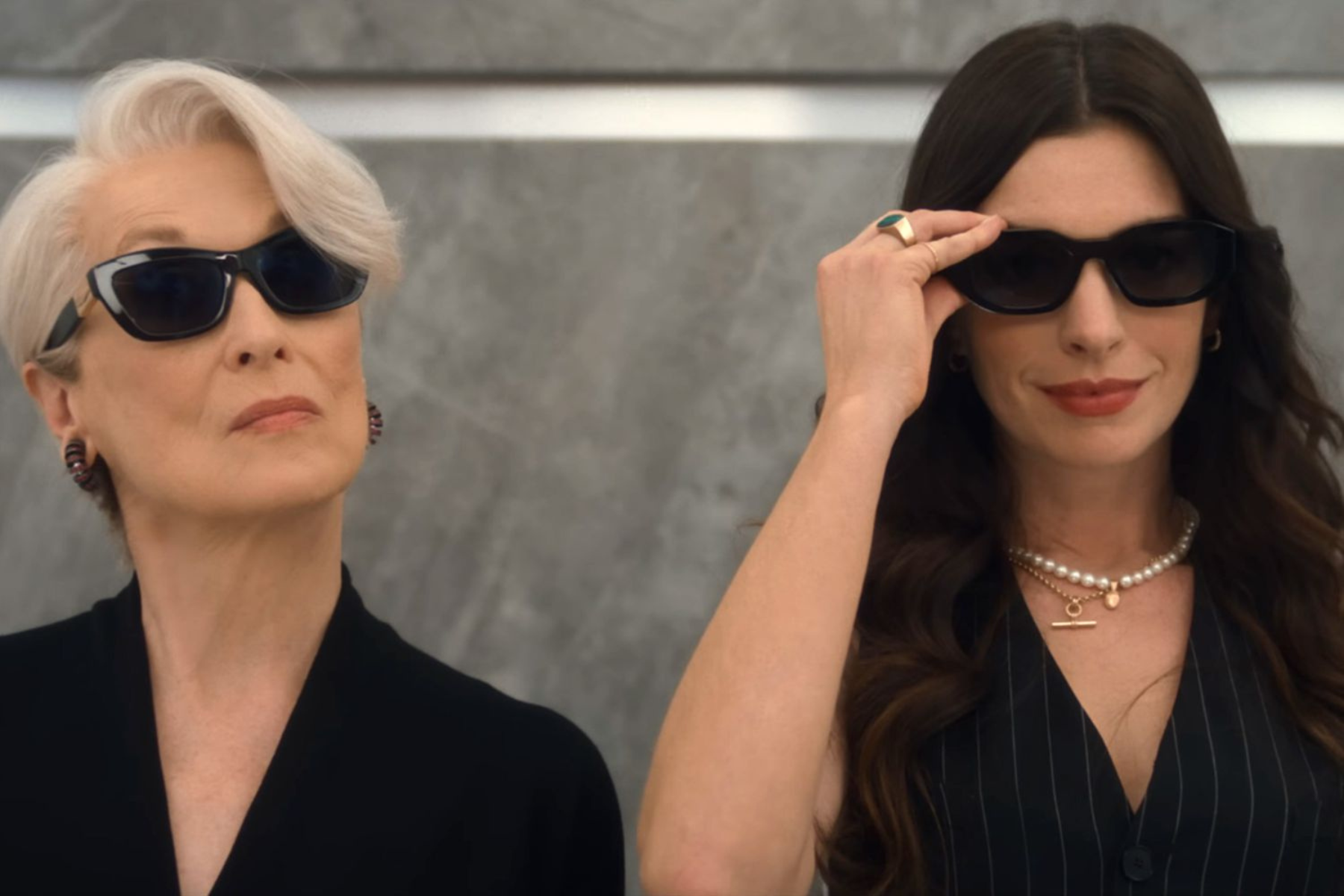
Some sequels feel unnecessary. The Devil Wears Prada 2 is NOT one of them.
From its opening moments, the film understands exactly what it is and why it exists. Andy Sachs stepping out into the streets of New York City, hitting that now-iconic walk, immediately unlocks something familiar. It’s not just nostalgia for the sake of it.
It’s recognition. A reminder of where these characters started and how far they’ve come. And this time, Andy has.
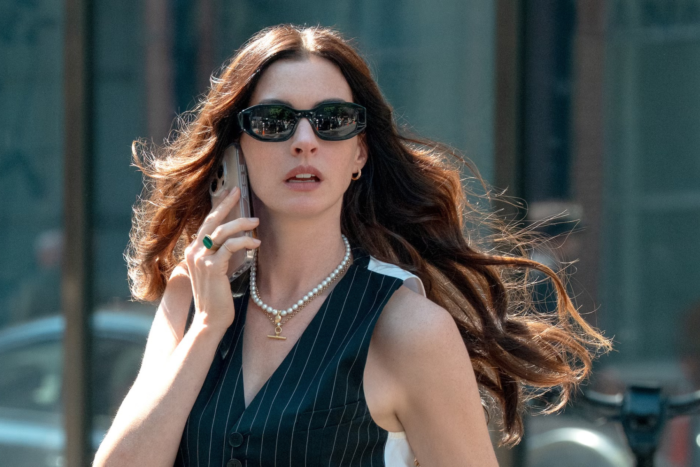
(Photo courtesy of 20th Century Studios)
The film opens by pulling her back to reality in the most current way possible, laid off via text, a moment that instantly grounds the story in the world we’re living in now. It’s sharp, it’s relevant, and it sets the tone for everything that follows.
What makes this sequel work so well is how it balances that present-day reality with the DNA of the original film.
The return of the core four: Anne Hathaway, Meryl Streep, Emily Blunt, and Stanley Tucci feels effortless. There’s no awkward reintroduction period. They fall right back into rhythm, playing off each other with the same precision and chemistry that made the first film work.
Watching that dynamic reassemble is one of the film’s greatest strengths.
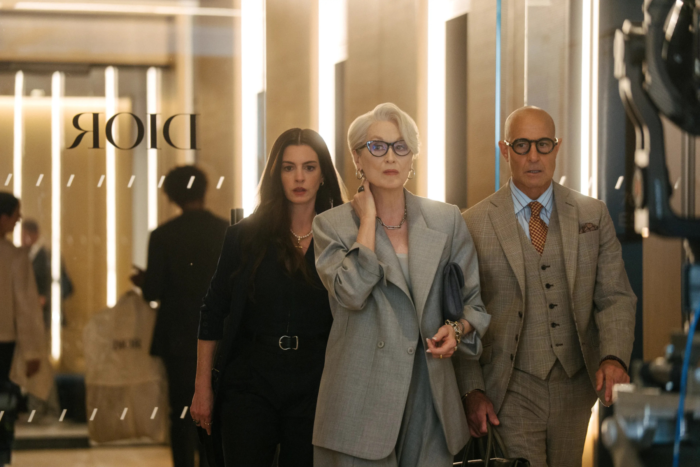
(Photo courtesy of 20th Century Studios)
At the center of it all is Andy, who remains the audience’s anchor.
Even in a world of high fashion, luxury, and excess, she still feels relatable. That hasn’t changed. What has changed is how she moves through it. She’s more confident, more self-assured, but still grounded in a way that makes her easy to root for.
The story pulls her back into Runway when Miranda Priestly finds herself in the middle of a scandal, forcing a return to the world Andy once left behind. It’s a setup that could have felt repetitive, but instead, it creates new tension by shifting the power dynamics between the characters.
And it works. Because this time, everyone has something to lose.
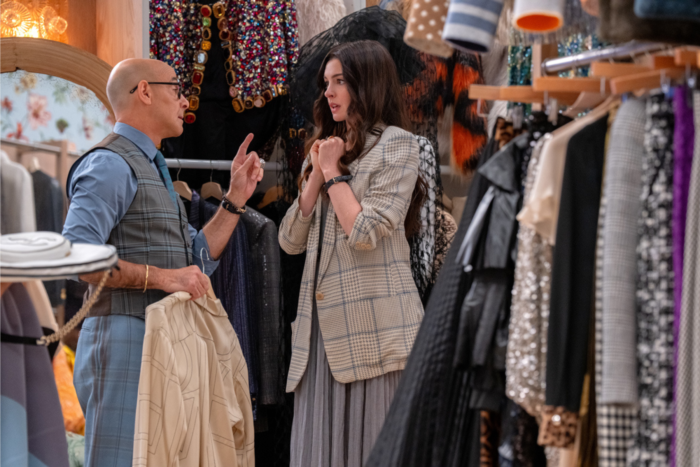
The film also smartly expands its world through its supporting and new cast. Simone Ashley brings a sharp, controlled energy that fits seamlessly into the Runway ecosystem, while Lucy Liu and Caleb Hearon add layers that feel current without being forced.
But it’s Tracie Thoms who stands out, delivering a supporting performance that feels complete and essential to the film’s emotional grounding.
There’s also something to be said about how the film engages with modern topics. Social media, layoffs, the decline of print media, and the rise of digital influence are all woven into the narrative in a way that feels natural rather than heavy-handed.
It reflects the current state of the industry without losing the escapism that defines the franchise.
And then there’s the ever iconic Miranda Priestly.
(Photo courtesy of 20th Century Studios)
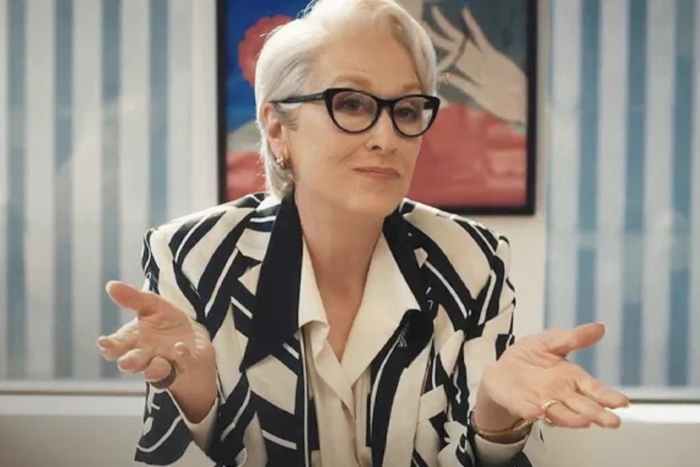
This film gives us something we didn’t fully get the first time around, a deeper look into her world beyond Runway. Through both her professional challenges and glimpses into her personal life, there’s a quiet expansion of who she is. It doesn’t soften her, it adds dimension.
Nigel remains one of the film’s most important voices.
As always, he has a way of saying exactly what needs to be said, cutting through the noise with clarity and precision. But this time, he’s given something more. A moment of long overdue recognition from Miranda that truly felt like watching a close friend achieve their dreams.
Not everything unfolds as expected either.
(Photo courtesy of 20th Century Studios)
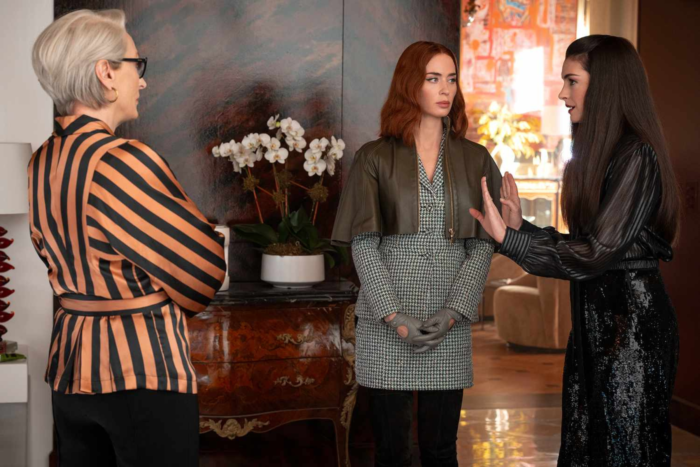
Emily’s betrayal is one of the film’s more surprising turns, adding a layer of unpredictability that keeps the story from becoming too comfortable. It’s a reminder that these relationships, while familiar, are still evolving.
Visually, the film delivers exactly what it promises.
The fashion is stunning. The settings, especially in Italy, elevate the film into something that feels expansive and cinematic. It leans into luxury without losing its sense of purpose.
And the soundtrack? Perfectly curated.
Artists like Laufey, Dua Lipa, Lady Gaga, and Doechii are placed with intention, enhancing the tone of each scene rather than overwhelming it. The standout moment comes with Lady Gaga’s live performance of “Shape of a Woman,” a sequence that feels like a culmination of everything the film is building toward.
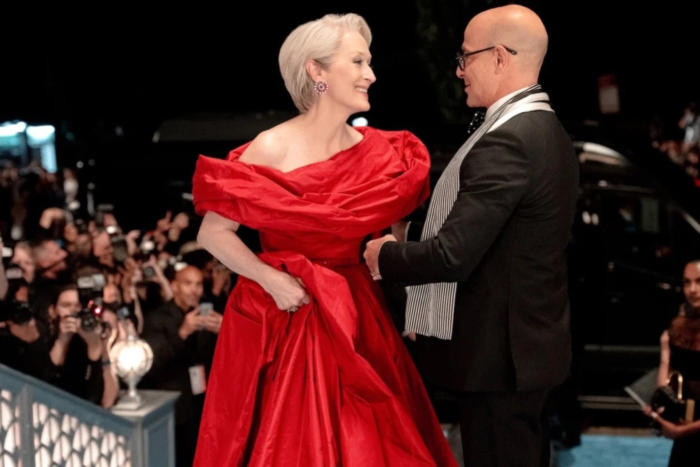
We also can’t overlook the star-studded cameos throughout the whole film.
From Karl-Anthony Towns to Jon Batiste, Ashley Graham, Winnie Harlow, Heidi Klum, and Donatella Versace, they add to the world rather than distract from it.
(Photo courtesy of 20th Century Studios)
What The Devil Wears Prada 2 ultimately understands is that a sequel like this doesn’t need to reinvent the original. It needs to evolve it. And it does so flawlessly.
By blending nostalgia with relevance, expanding its characters without losing what made them iconic, and delivering a story that feels both timely and familiar, the film finds a balance that most sequels miss entirely.
It’s stylish. It’s sharp. It’s self-aware.
And it proves that some stories are worth revisiting, especially when they still have something to say.
The Devil Wears Prada 2 is currently playing in theaters.
Follow us on X and on Instagram!
Like us on Facebook!
Tim H

Tim is a creator and creative with a deep passion for TV, movies, music and pop culture. With a sharp eye for storytelling and a love for all things on screen, he brings entertaining, thoughtful, and often hilarious commentary to his growing community. Whether he’s breaking down a plot twist, highlighting overlooked characters, or sharing his unfiltered reactions, Tim makes screen time feel like a conversation with your favorite binge-watching bestie. In addition to being a creator, Tim co-hosts a podcast called Rated T&T where he dives even deeper into fandom, music, and media alongside his co-host, delivering hot takes, deep dives, and lively fan-focused discussions and interviews that feel like a group chat brought to life! Streaming on Spotify, Apple Music, iHeartRadio and YouTube! Follow along: TikTok & IG (Tim): @casualfandomwithtim | TikTok & IG (Rated T&T): @ratedtandtpodcast