
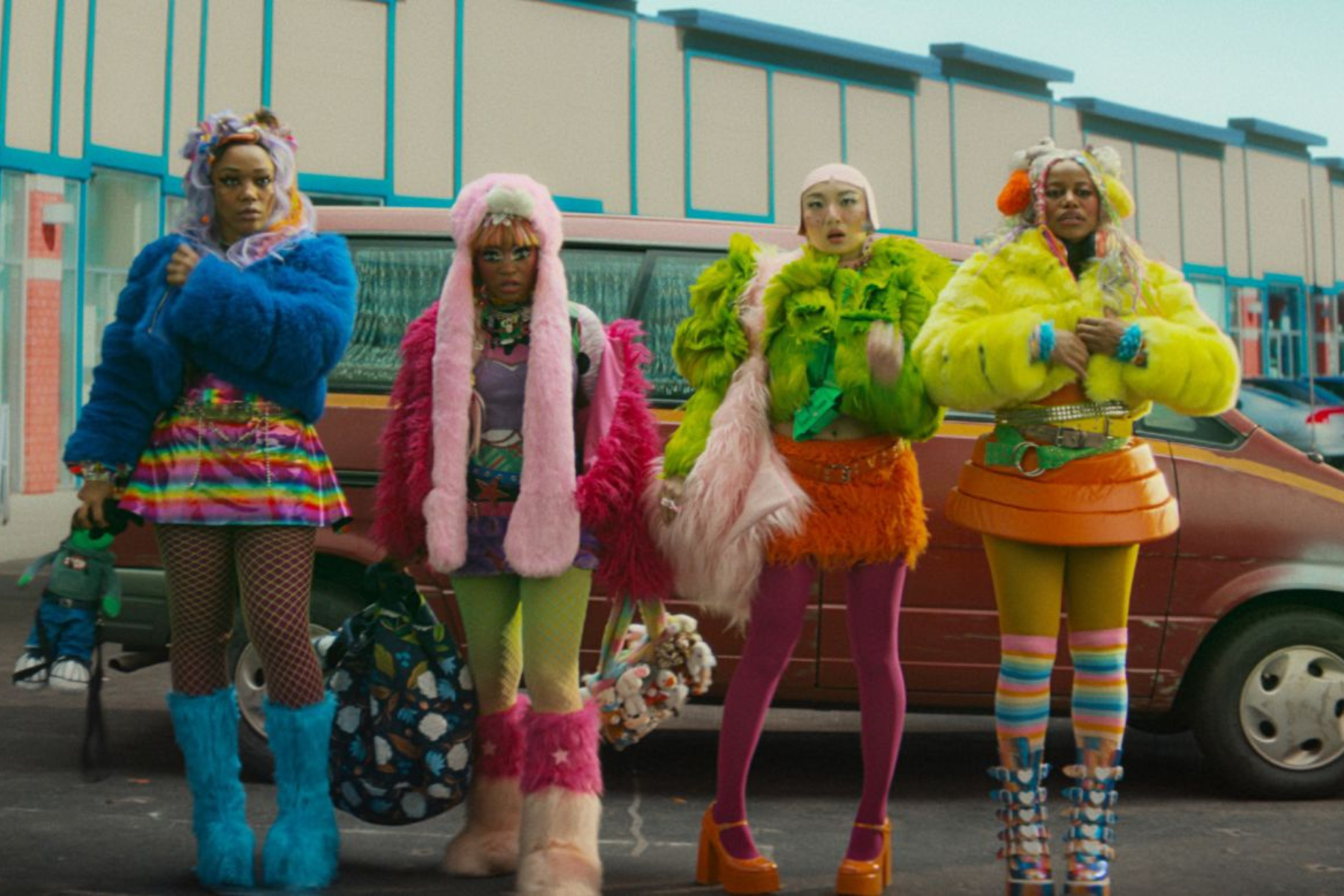
One of the biggest challenges facing I Love Boosters is simply figuring out how this world works.
Writer-director Boots Riley throws viewers into a heightened version of the Bay Area where fashion empires, labor exploitation, science-fiction devices, and vigilante shoplifters all exist side by side.
The film moves at a relentless pace from the start, introducing concepts, characters, and rules so quickly that it can be difficult to find your footing.
That confusion never completely disappears.
The story regularly introduces new ideas before fully exploring the previous ones, creating an experience that feels intentionally chaotic but occasionally frustrating.
Riley’s imagination is undeniably impressive, yet the film often seems more interested in throwing another wild concept onto the screen than helping the audience understand why it matters. Critics have similarly noted that the film’s ambitious storytelling can feel chaotic and unfocused as it progresses.
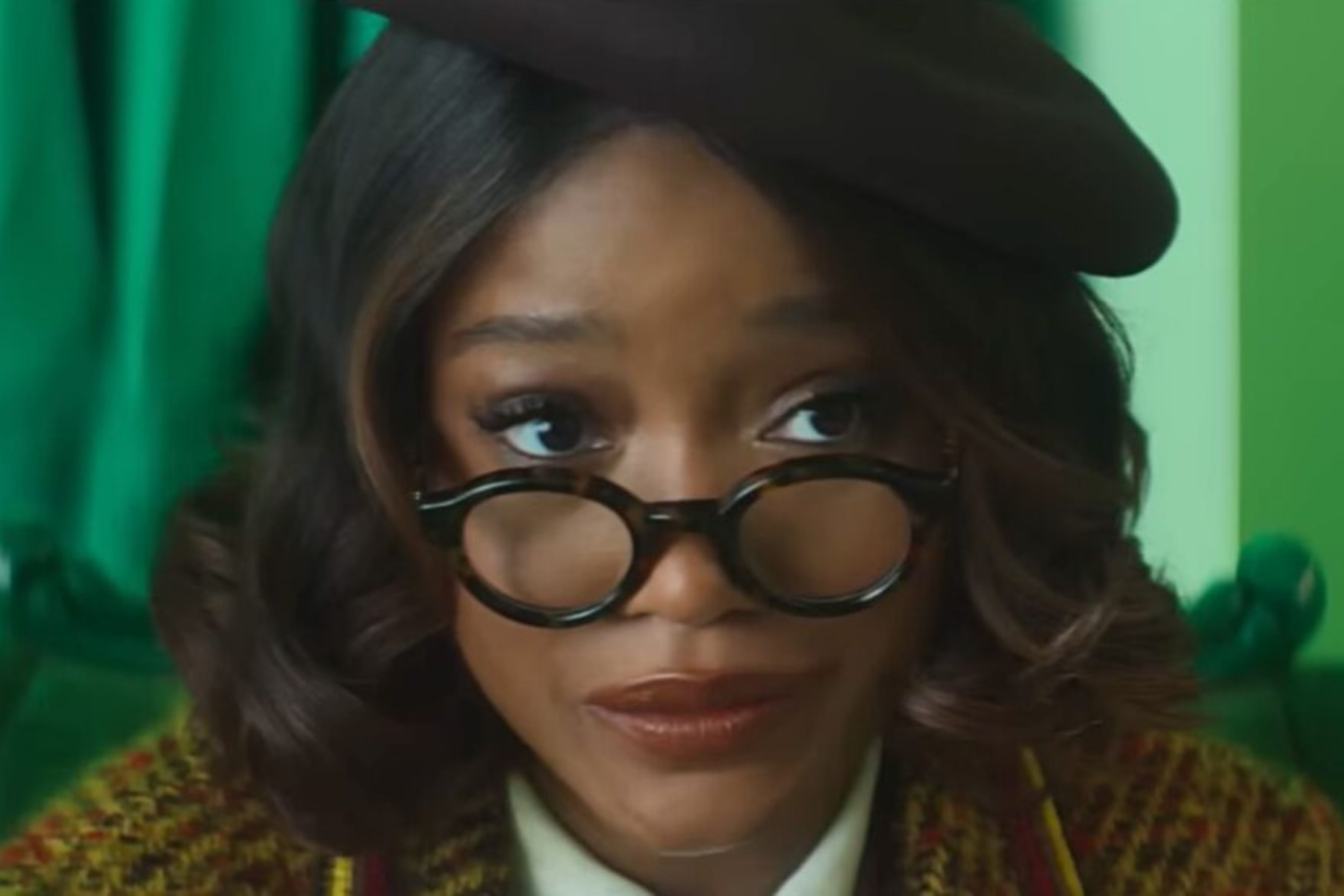
Fortunately, I Love Boosters has Keke Palmer.
From the moment Corvette appears sporting her instantly recognizable cropped hairstyle, Palmer commands attention. Expectations are naturally high whenever she headlines a comedy, and for the most part, she delivers.
Palmer possesses the rare ability to make even the strangest dialogue feel natural, grounding a film that frequently threatens to drift completely off the rails.
Corvette is also more compelling than the film initially lets on.
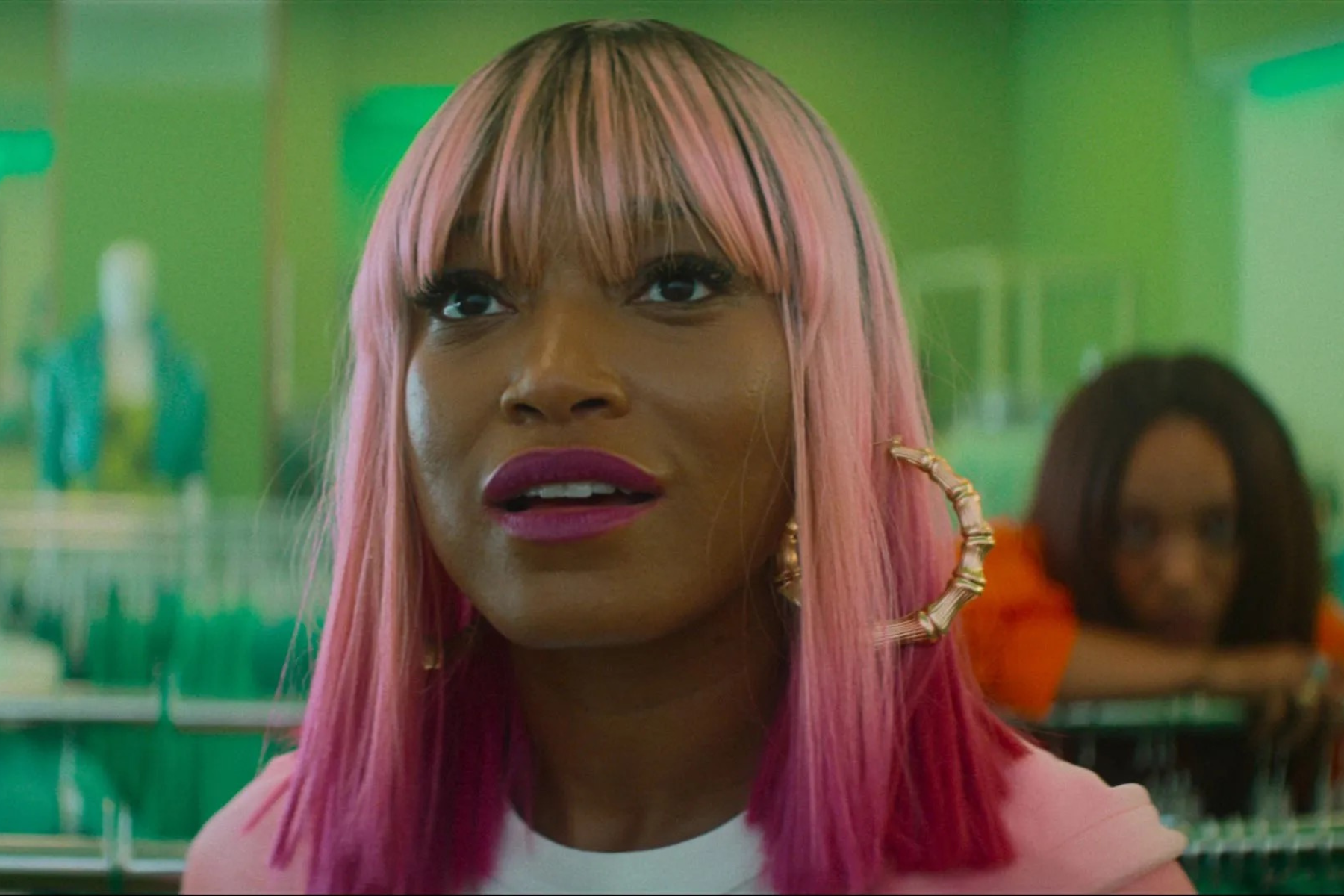
For those unfamiliar with the term, a “booster” is someone who steals merchandise from stores and resells it elsewhere for profit. Corvette and her friends have built their lives around boosting designer clothing, presenting themselves as fashion-minded outlaws operating outside a system they believe has already failed them.
Yet it becomes clear early on that Corvette’s heart is no longer fully invested in the hustle.
What she really wants is to be a designer. She sees fashion as a form of creative expression, but the world around her refuses to recognize her talent. That frustration becomes the emotional foundation of the film, giving Corvette’s increasingly bizarre journey more weight than the plot itself sometimes provides.

The cast surrounding Palmer is equally impressive.
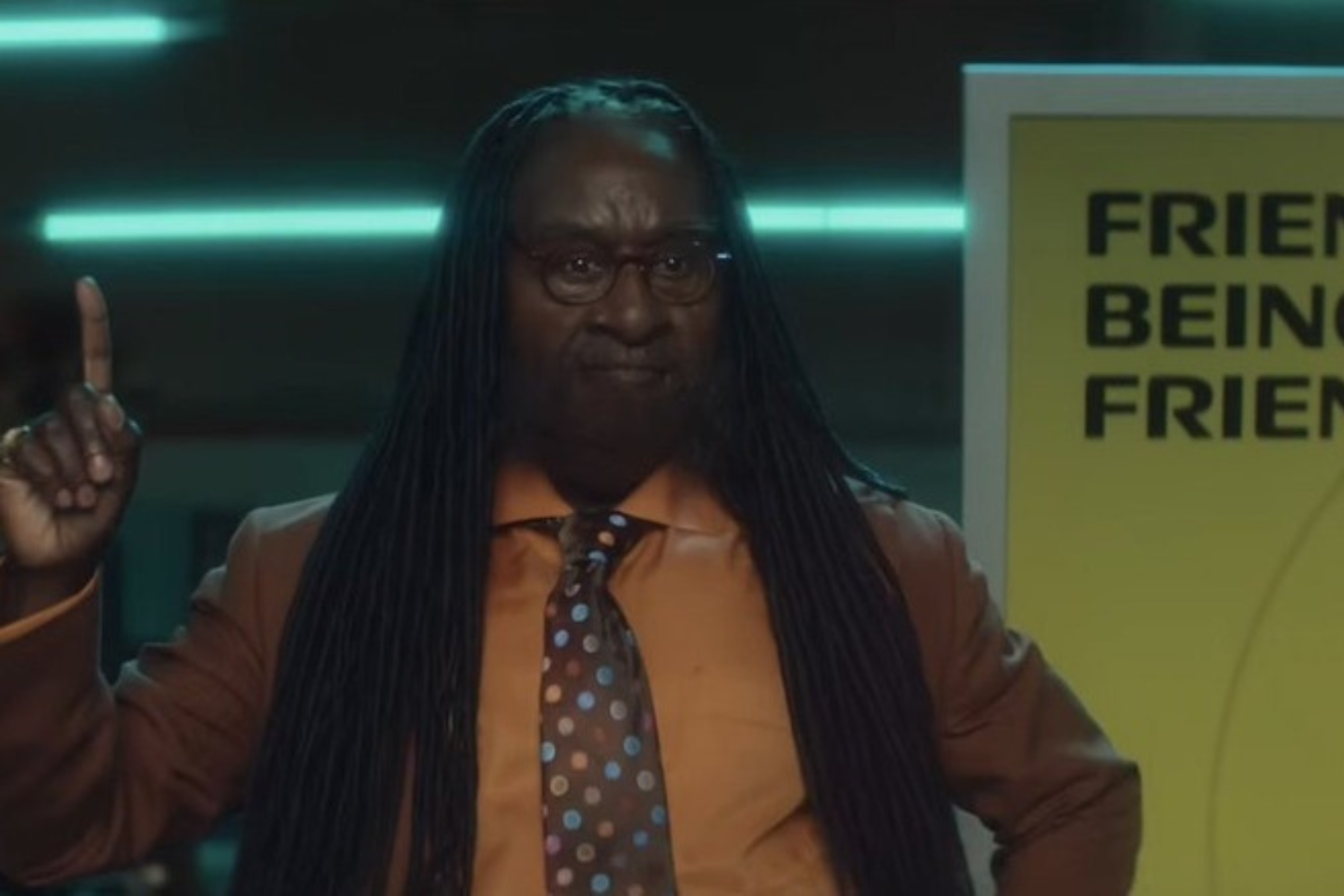
Demi Moore and Don Cheadle deserve particular mention for embracing roles that look nothing like the work audiences typically associate with them. Moore throws herself into the film’s exaggerated vision of fashion-industry excess, while Cheadle appears more than willing to lean into the absurdity surrounding him.
Neither performance feels restrained, which proves to be exactly the right choice for a movie this strange. The same can be said for the rest of the ensemble, who fully commit to Riley’s eccentric vision no matter how bizarre the story becomes.
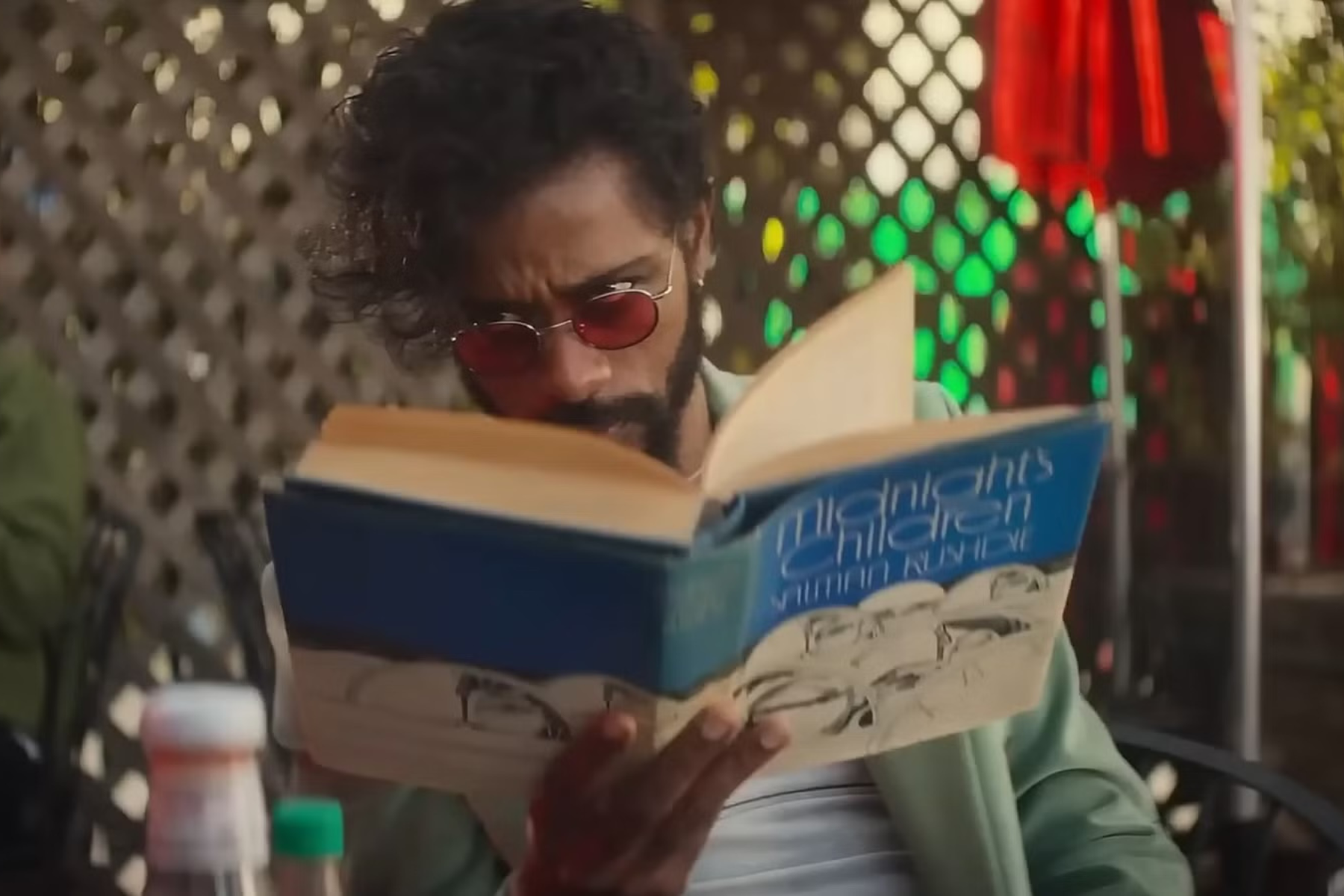
LaKeith Stanfield, however, presents something of a mixed bag. As a mysterious and undeniably captivating figure who catches Corvette’s attention, he commands the screen every time he appears.
There is an effortless magnetism to both the character and Stanfield’s performance that makes it impossible not to wonder what he might say or do next.
The problem is that the film never quite figures out what to do with him. While he functions as a love interest for Corvette, the relationship feels largely unnecessary to the larger story.
His scenes are engaging, but they rarely push the narrative forward in a meaningful way, making the character feel more like an intriguing detour than an essential piece of the puzzle. For an actor as talented and charismatic as Stanfield, it ultimately feels like a missed opportunity.
Visually, the film rarely lacks confidence.
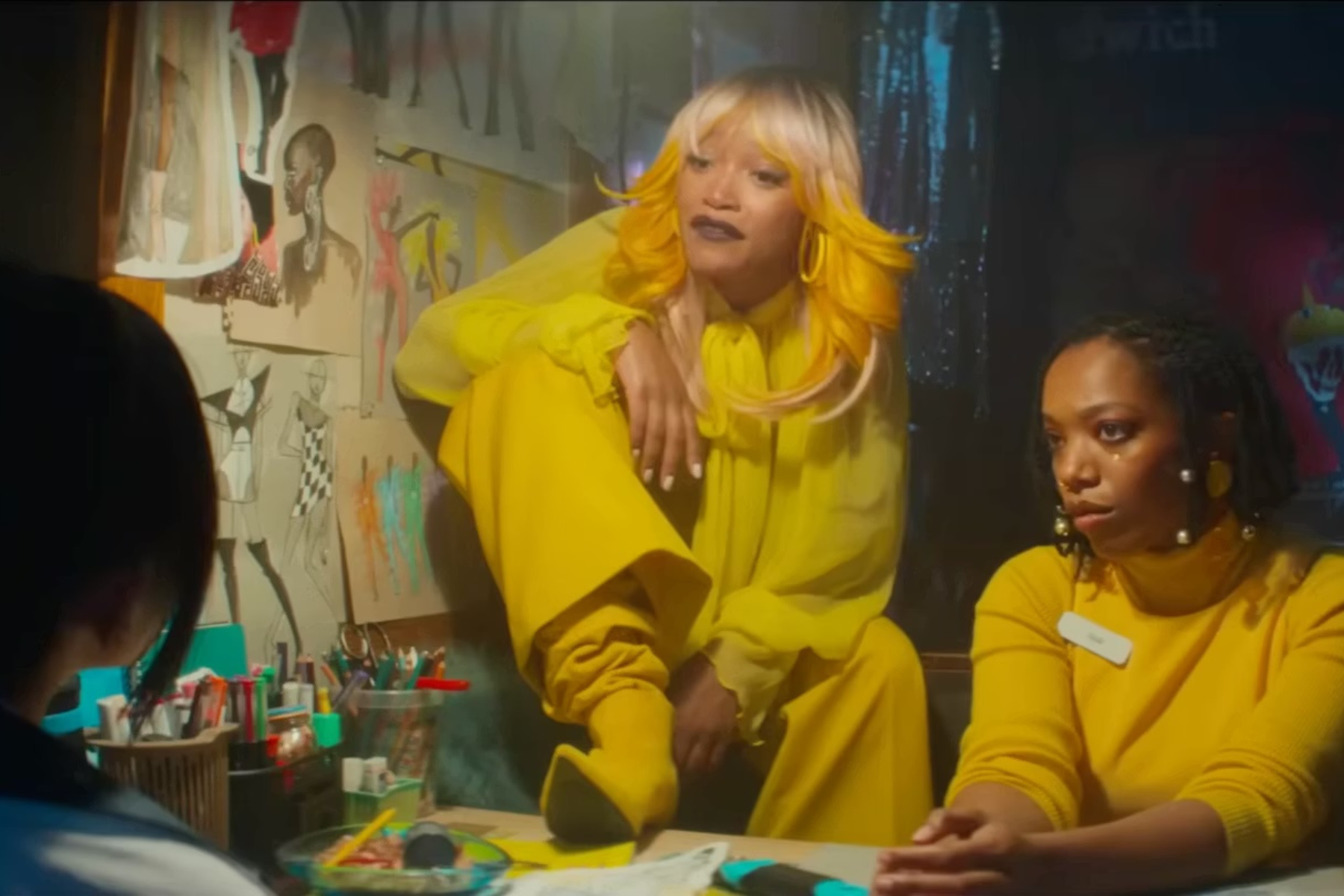
The costumes, wigs, and production design are often outrageous in the best possible way. Every frame feels meticulously designed, from monochromatic retail spaces to increasingly elaborate disguises and fashion statements.
The aesthetic choices help establish a world that feels detached from reality without completely losing its connection to contemporary culture.
What ultimately makes I Love Boosters difficult to fully embrace is not its message. The film has plenty to say about labor, class, exploitation, and who gets credit for creative work. Those ideas remain timely and often compelling.
The issue is that the storytelling occasionally becomes so preoccupied with surreal detours and escalating weirdness that its strongest themes get buried beneath the spectacle. The message works. The method of delivering it feels considerably less successful.
Riley fills nearly every scene with something unexpected, whether it’s a visual gag, a strange character choice, or a sharp piece of social commentary. Not all of those ideas land equally, but the willingness to swing for something unconventional remains one of the film’s greatest strengths.
Still, even when the story loses focus, the film never becomes boring.
Palmer’s performance remains magnetic throughout, the ensemble fully commits to the madness, and Riley’s visual imagination ensures there is always something unexpected around the next corner. I Love Boosters may not be a film many viewers rush to watch a second time, but it is difficult not to admire a movie willing to take risks this big and this weird.
And in an era when so many comedies play it safe, that ambition counts for something.
I Love Boosters is currently playing in theaters.
Follow us on X and on Instagram!
Like us on Facebook!
Tim H

Tim is a creator and creative with a deep passion for TV, movies, music and pop culture. With a sharp eye for storytelling and a love for all things on screen, he brings entertaining, thoughtful, and often hilarious commentary to his growing community. Whether he’s breaking down a plot twist, highlighting overlooked characters, or sharing his unfiltered reactions, Tim makes screen time feel like a conversation with your favorite binge-watching bestie. In addition to being a creator, Tim co-hosts a podcast called Rated T&T where he dives even deeper into fandom, music, and media alongside his co-host, delivering hot takes, deep dives, and lively fan-focused discussions and interviews that feel like a group chat brought to life! Streaming on Spotify, Apple Music, iHeartRadio and YouTube! Follow along: TikTok & IG (Tim): @casualfandomwithtim | TikTok & IG (Rated T&T): @ratedtandtpodcast