
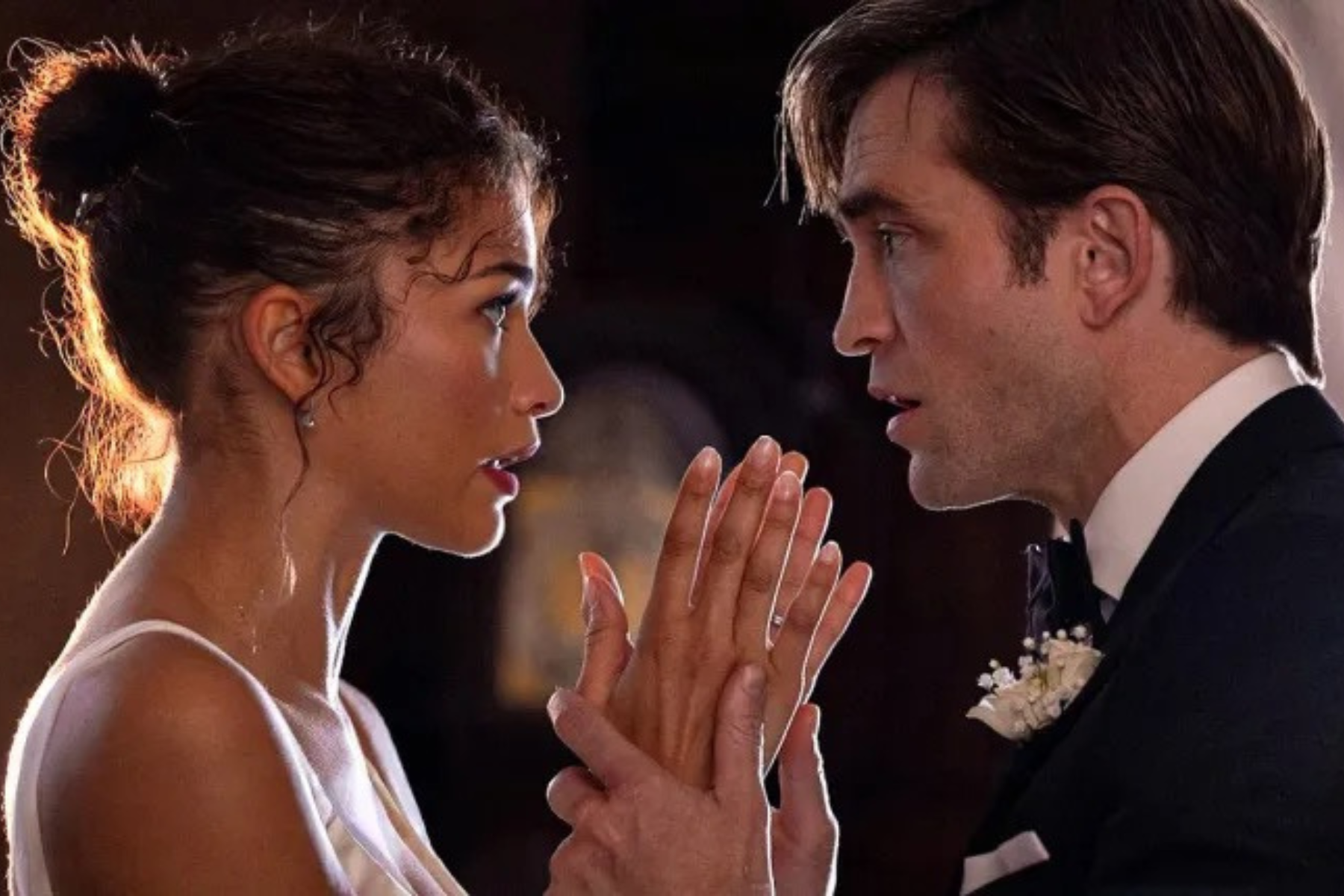
There’s a version of The Drama that feels like it could exist as a completely different movie.
It starts light, almost disarmingly so.
A couple on the verge of marriage with wedding speeches to write. Stories of how they met are told to friends who know the ending. There is a softness to it. A rhythm that feels familiar, even comforting. For a moment, it plays like a quirky, familiar romantic comedy.
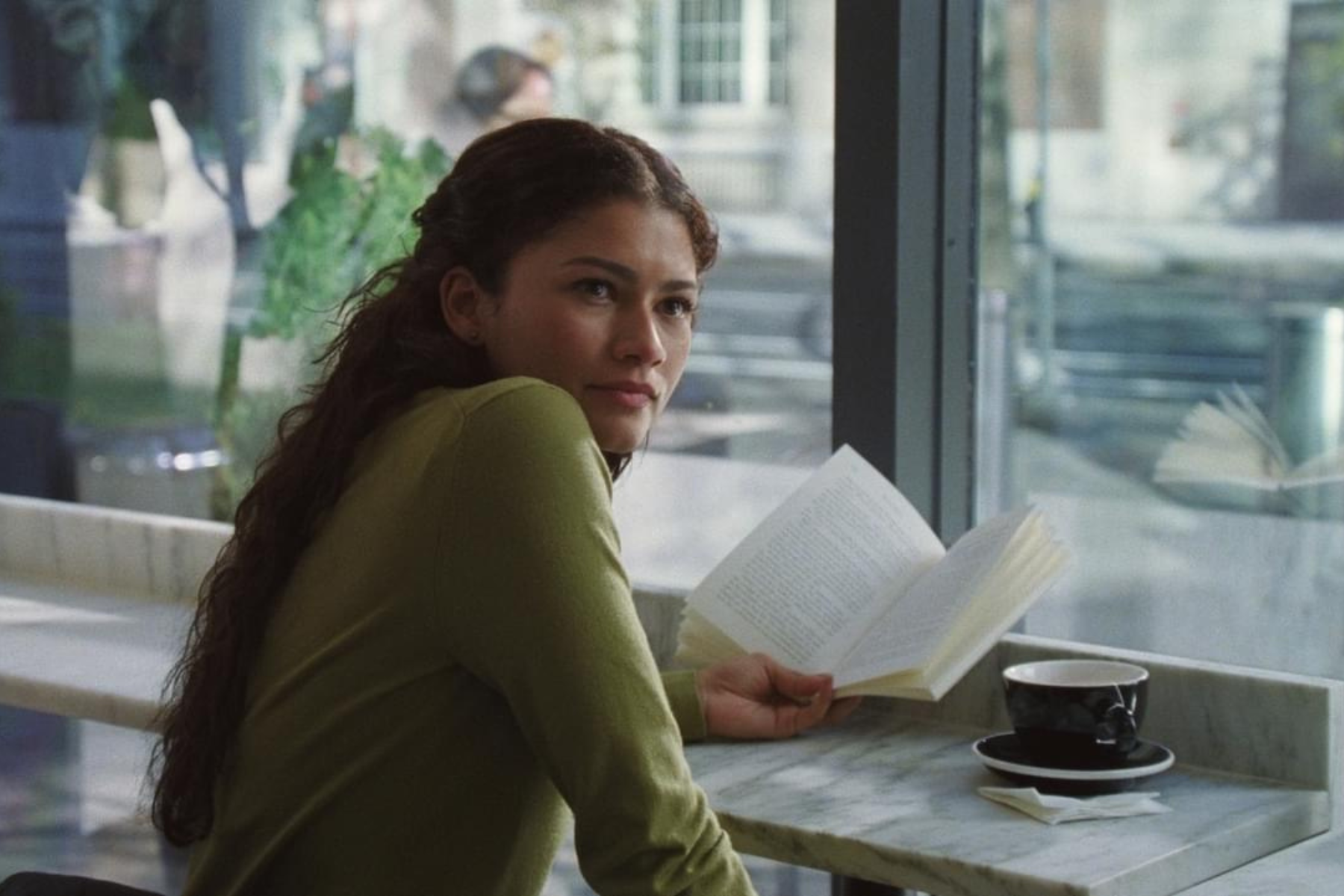
Emma, played by Zendaya, is free, playful, and a little unpredictable. Charlie, played by Robert Pattinson, is wound tight, neurotic, and deeply devoted to her in a way that borders on consuming.
His energy feels reminiscent of a certain kind of obsessive romantic archetype that we’ve seen unfold in the foggy woods of Forks, Washington. The kind that mistakes intensity for stability.
It works, until it doesn’t. It’s the first of many moments that prove The Drama is not interested in audience safety.
And to its credit, neither was the film’s press tour.
Zendaya and Pattinson approach promotion with an unusual level of secrecy, avoiding specifics and sidestepping direct questions about the film’s central reveal. Interviews remain vague, and details stay guarded. It creates a sense that something is being protected rather than marketed.
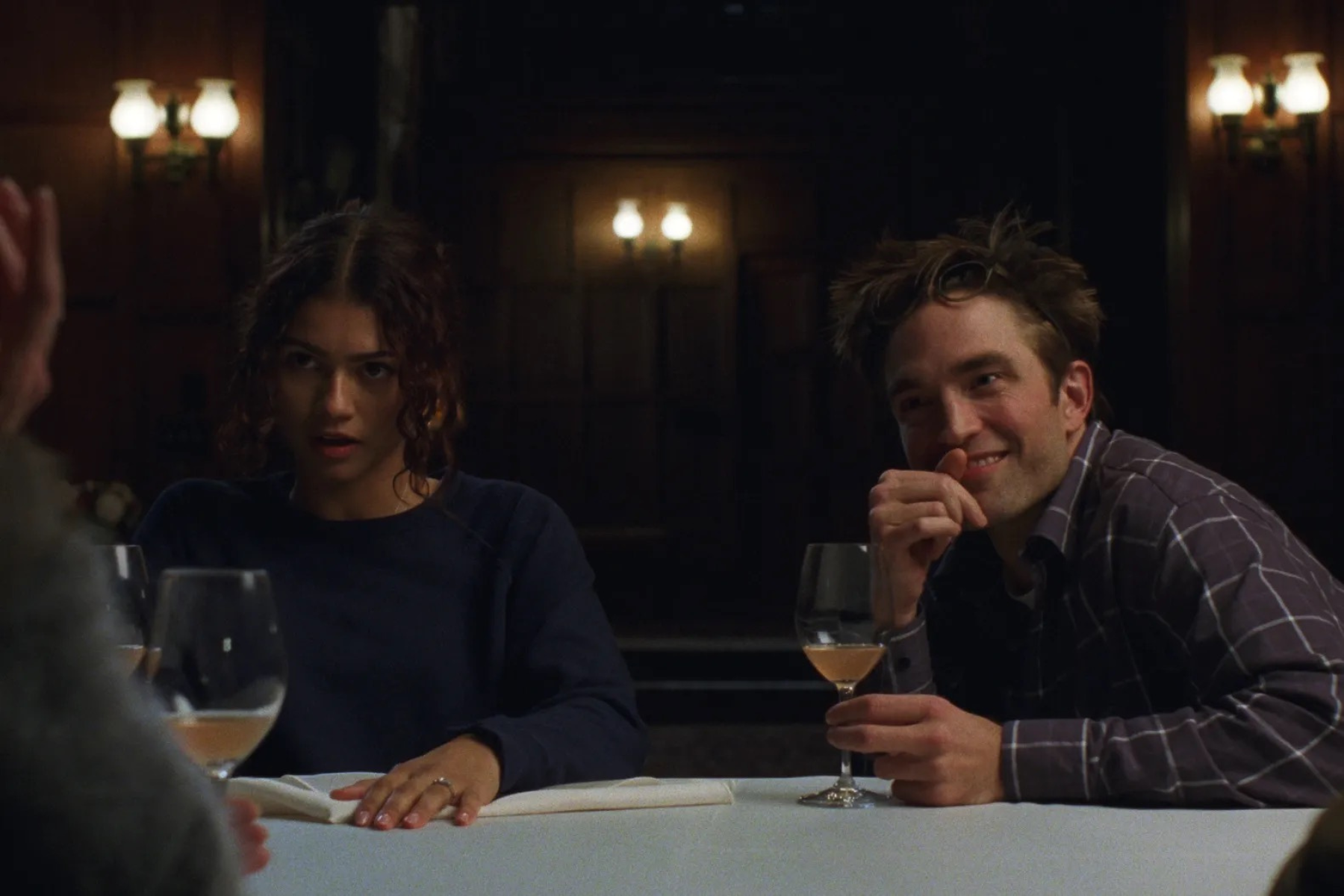
That instinct makes sense almost immediately because the film reveals its hand early.
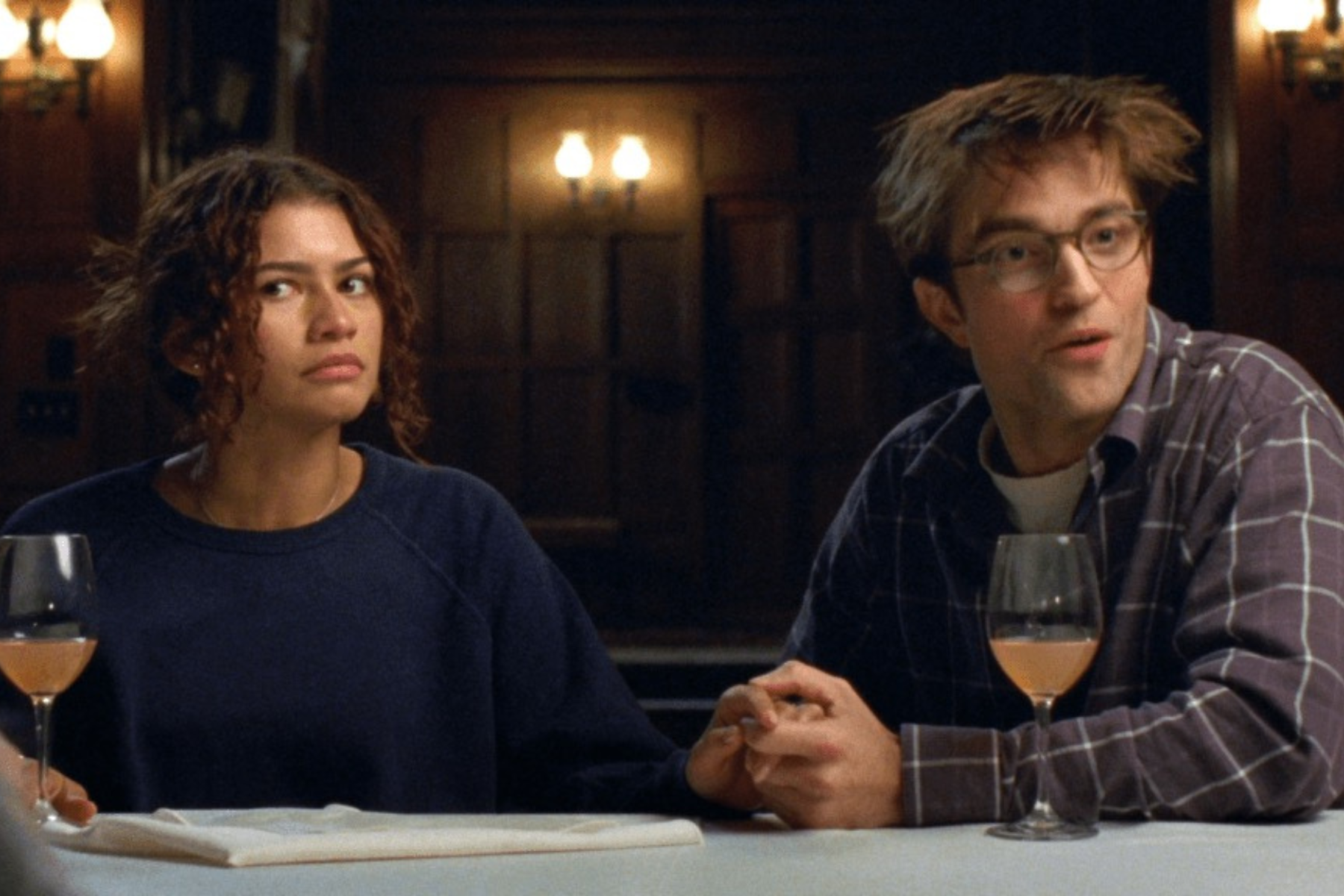
The shift happens during what should be an ordinary double date. Dinner and drinks with close friends. A casual conversation that turns into sharing the worst things they have ever done.
It feels almost trivial at first. Everyone’s stories land somewhere between embarrassing and regrettable. And then Emma speaks.
There is a hesitation before she says anything — a visible calculation. You can feel her weighing the room, measuring what everyone else has shared, knowing that what she is about to say does not belong in the same category.
And yet, whether it’s the perceived safety of the moment, the alcohol, or both, she says it anyway. Emma admits she once planned a school shooting in high school.
The admission lands without warning, like a rock plummeting to the bottom of a pool. Not dramatized and not built up. Just dropped into the space as if it belongs there. We quickly learn that it doesn’t.
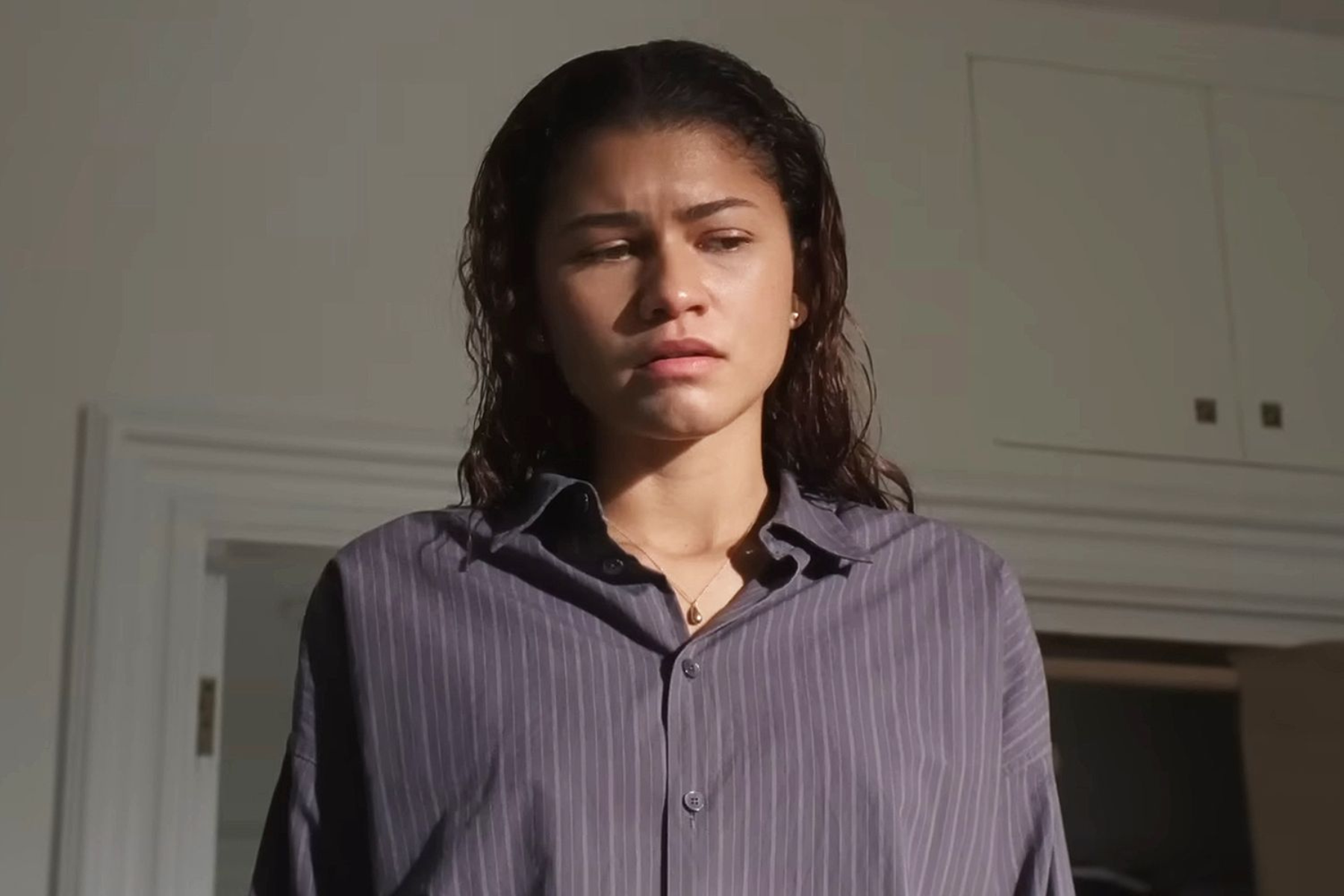
And from that moment on, the film changes.
The tone tightens, and conversations become terse. Every interaction feels like walking on eggshells. There is a constant sense of holding your breath, waiting for something else to surface.
What makes this shift effective is how quickly it destabilizes everything that came before it. Charlie’s devotion no longer feels romantic. It feels fragile and conditional, as if being tested in real time.
The dynamic between them becomes harder to read.
The film leans into that uncertainty. It blurs the line between what is happening externally and what is unfolding internally. Flashbacks interrupt the present. Time jumps fracture the narrative. Certain moments feel subjective, almost imagined.
It creates a sense that the characters themselves are not entirely reliable. That instability becomes part of the experience.
Zendaya plays Emma with a level of restraint that makes her difficult to access fully. Even in moments of supposed honesty, there is a distance and a sense that something is being held back.
Pattinson reacts to that distance rather than breaking through it. His performance feels increasingly strained, like someone trying to maintain control over something that is already slipping.
Together, they never quite meet in the middle. That disconnect is intentional.
The film is not interested in resolution. It is interested in discomfort, in sitting inside a perspective that is rarely explored with this level of proximity. It is a mindset shaped by isolation, by bullying, and by something darker beneath the surface.
It is not easy to watch, and it is not meant to be.
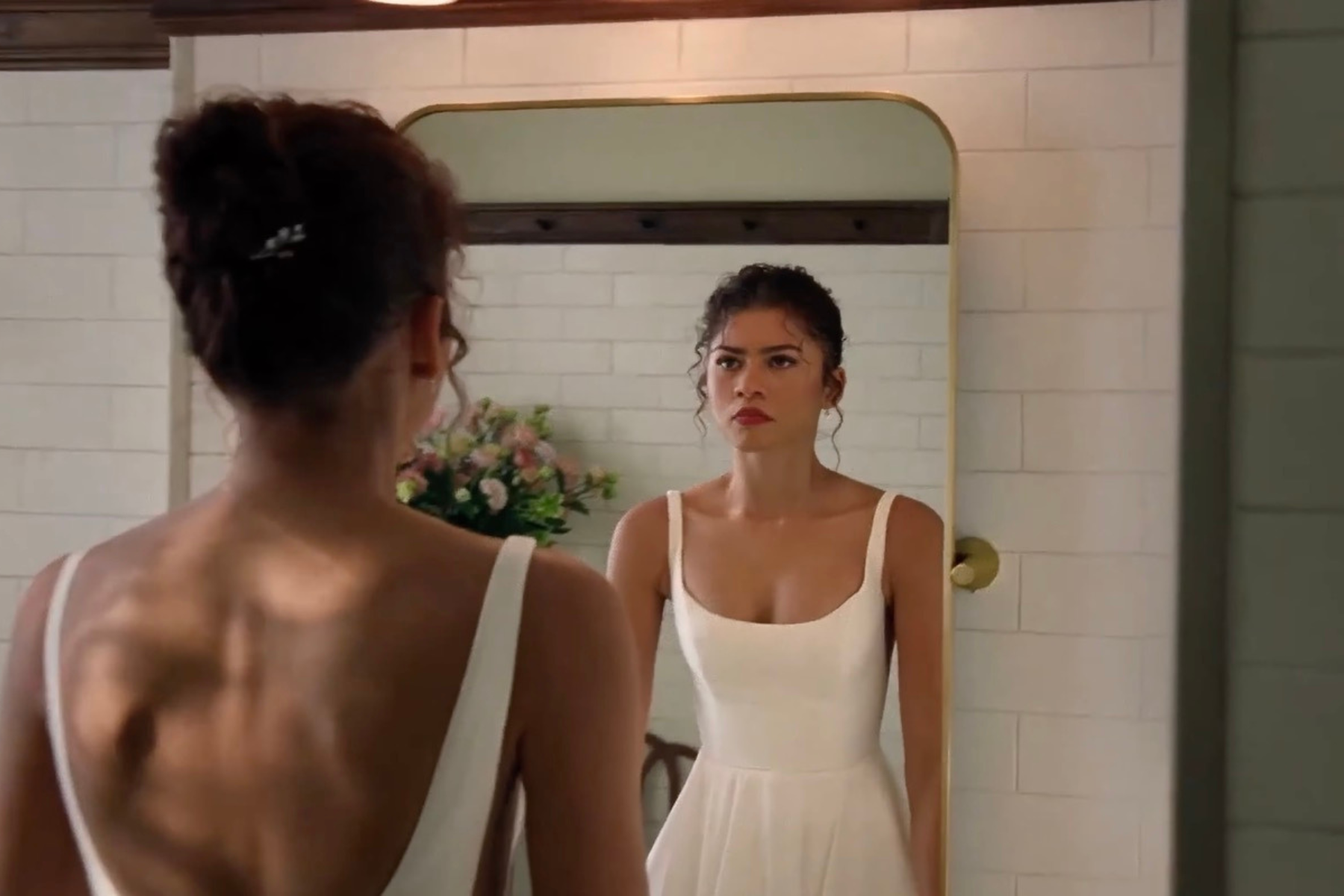
At times, the film’s symbolism feels heavy-handed. References to violence and imagery tied to it appear often enough to feel pointed rather than subtle. It underlines the idea more than it trusts the audience to carry it.
That lack of restraint in those moments stands out in a film that is otherwise so controlled.
Even the climax resists expectation. Where most films would escalate, this one pulls back. The emotional peak feels muted, like something contained rather than released. The impact is still there, but it lands differently. Less explosive, and more suffocating, like pressure that never fully breaks.
Some moments may be physically uncomfortable for some viewers. The film does not shy away from that kind of realism, even when it risks pulling focus. If emetophobia is a condition you live with, be warned.
Still, the commitment to tone remains clear.
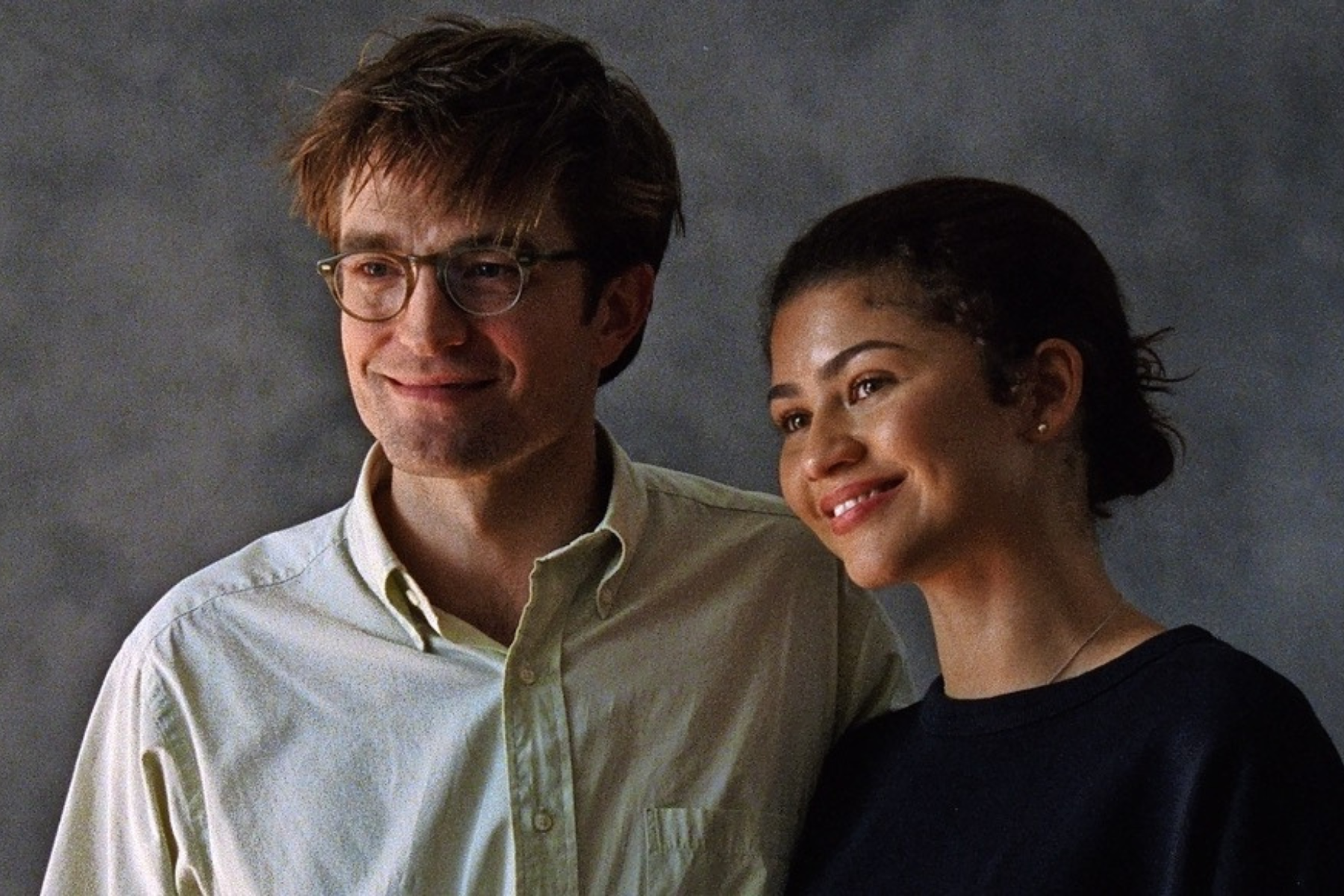
Visually, the film stays understated. The camera observes rather than directs. It gives space for tension to build without interruption, allowing the performances to carry the weight.
Zendaya approaches the role with remarkable control. Every line delivery feels measured, and every reaction feels carefully calibrated. Even when the character begins to fracture, that fracture remains subdued.
Pattinson operates in a completely different space. His performance feels unsettled, almost restless. There is a constant sense that something is about to break, even in moments that appear calm on the surface.
He pushes where she pulls back. He disrupts where she contains.
Together, they create a dynamic that never fully stabilizes. The film thrives in that imbalance, allowing tension to exist with nowhere to release.
The Drama is not flawless. Its pacing drifts, its symbolism occasionally overreaches, and its narrative can feel intentionally disorienting. But it is deliberate.
—
Share your thoughts on The Drama in the comments below once you’ve seen the film, and don’t forget to leave your own rating!
The Drama is currently playing in theaters.
Follow us on X and on Instagram!
Like us on Facebook!
Tim H

Tim is a creator and creative with a deep passion for TV, movies, music and pop culture. With a sharp eye for storytelling and a love for all things on screen, he brings entertaining, thoughtful, and often hilarious commentary to his growing community. Whether he’s breaking down a plot twist, highlighting overlooked characters, or sharing his unfiltered reactions, Tim makes screen time feel like a conversation with your favorite binge-watching bestie. In addition to being a creator, Tim co-hosts a podcast called Rated T&T where he dives even deeper into fandom, music, and media alongside his co-host, delivering hot takes, deep dives, and lively fan-focused discussions and interviews that feel like a group chat brought to life! Streaming on Spotify, Apple Music, iHeartRadio and YouTube! Follow along: TikTok & IG (Tim): @casualfandomwithtim | TikTok & IG (Rated T&T): @ratedtandtpodcast