
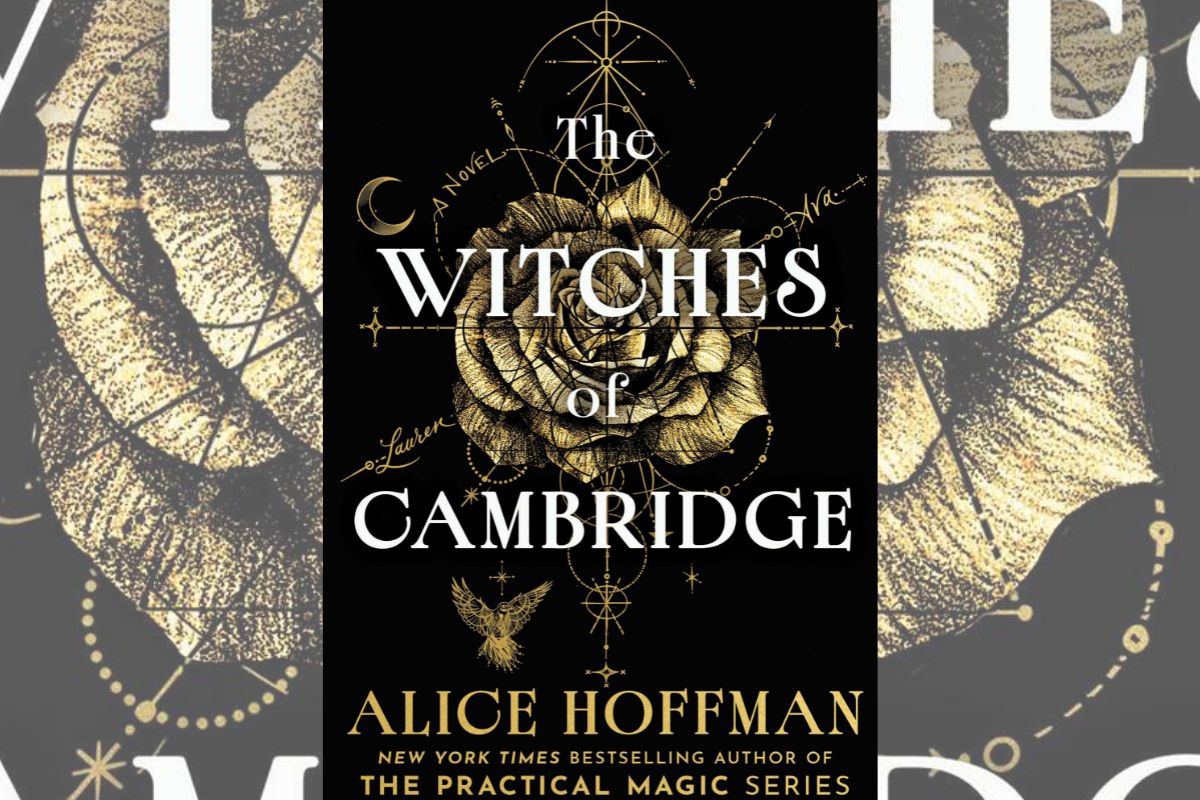
What we wouldn’t give to live inside an Alice Hoffman novel.
Hoffman, author of the beloved and bestselling Practical Magic series, has returned with another witchy read that is sure to capture the hearts of readers everywhere.
Infused with her signature magical realism, Hoffman’s latest novel, The Witches of Cambridge, is a tale of friendship, love, and, of course, witches.
We start by following two young women, Ava and Lauren, freshmen enrolled at Radcliffe College in Cambridge, Massachusetts, in the 1950s. Coming from very different backgrounds, they have both been chosen as the newest initiates of the secretive Lilith House, a society for witches at Radcliffe.
Lauren has been expecting this. Hers is a legacy of witches, found generation after generation in her family tree. Ava, on the other hand, has no idea about her witchy ancestry thanks to her parents and at first believes the invitation under her dorm room pillow is a mistake.
Lauren soon convinces her otherwise. They both have scars from missing eleventh fingers — a telltale sign of witches. Ava concedes that many strange occurrences have taken place throughout her life, and her red hair and dark eyes are a dead giveaway, too.
After their initiation, they soon settle into life at Lilith House, honing their skills and magical abilities. All the while, they juggle classes and schoolwork just like every student at the all-female college, which is adjacent to Harvard University.
But just as Cambridge has been a haven for witches for centuries, it also has a dark history of witch-hunters, dating back 300 years to the infamous Mather family — think Increase Mather, his son Cotton, and the Salem Witch Trials.
Another Mather, Jamie, is enrolled at nearby Harvard, and when he and Ava meet, there’s an instant connection.
Lauren warns Ava not to trust him and tries to break them up. But true love is true love, and Ava and Jamie know they are meant for each other.
Having suffered deeply personal losses in her life, Lauren swears she doesn’t have a heart and isn’t interested in finding love. Instead, she wants power and knowledge. She wants to learn the ways of left handed magic, following the Crooked Path.
When members of Lilith House begin disappearing, and powerful men — witch-hunters — get suspicious of women like Lauren and Ava, trouble ensues. On a more personal level, Lauren and Ava’s friendship suffers, too, but in the end, they’re always there for one another.
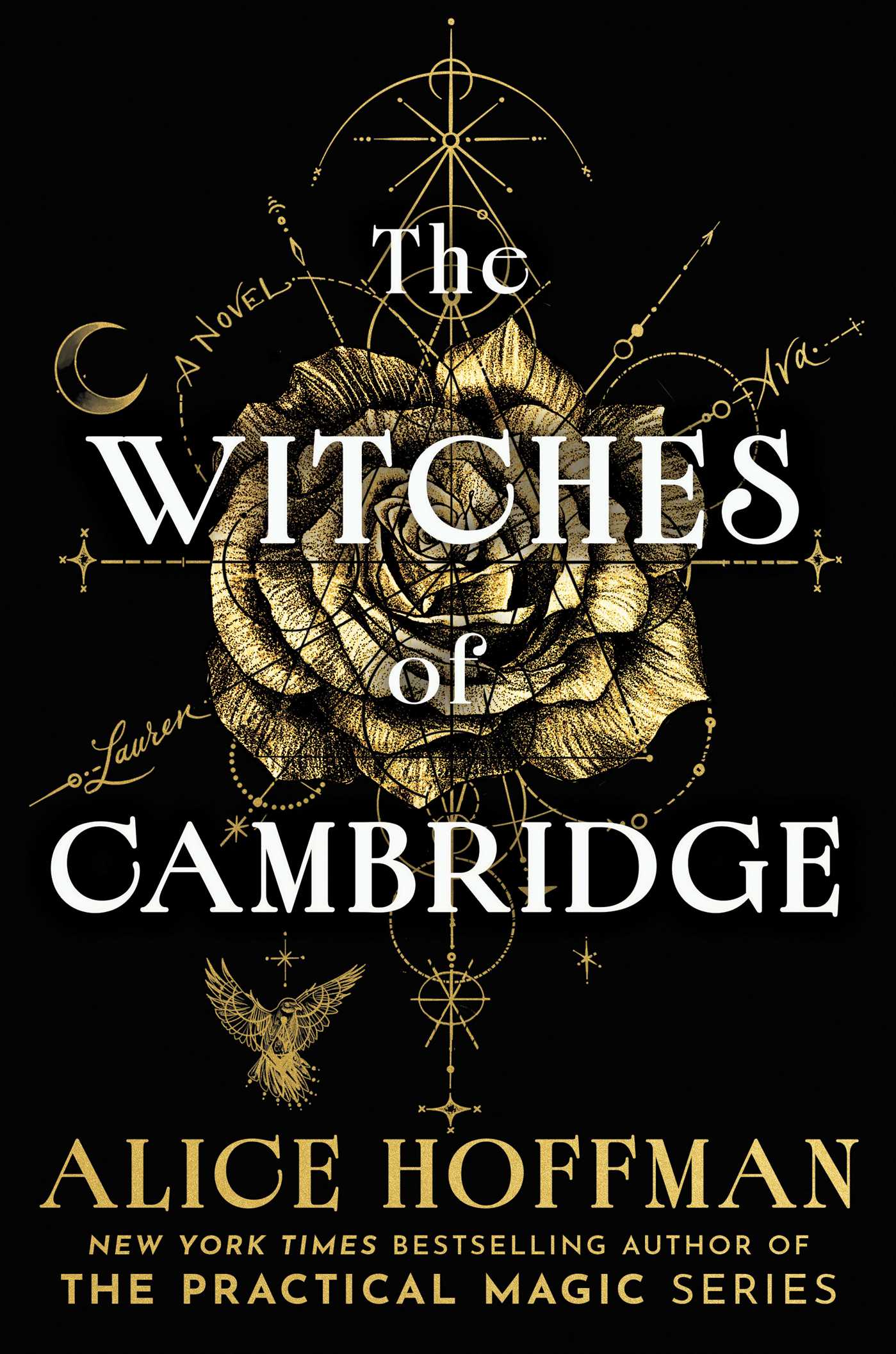
The Witches of Cambridge is a perfect novel to read with Halloween on the horizon. It’s a great fit for the entire fall season, with its tales of witchcraft, magic, and new beginnings.
Hoffman’s distinctive writing style makes this novel smooth as butter. She sweeps readers away into this historic, academic setting, expertly weaving real-life facts and truths into her narrative. A famous writer even makes a surprise — and welcome — guest appearance.
Ava and Lauren are fully three-dimensional characters, but perhaps the star of this novel is another witch: Rose Bridewell, the first witch of Cambridge.
Ava comes across letters written by Rose in the late 1600s and early 1700s and learns of how she escaped persecution to create a safe haven for women and witches on the other side of the river from Boston. Hoffman excels at crafting both contemporary and historical novels, and The Witches of Cambridge is no exception.
The novel tends to shift perspective from one character to another in a true omniscient narration, but again, everything is fluid and the writing is graceful. However, this also comes with a tad too many perspectives.
Following Ava and Lauren, and to some extent Rose, makes for a wonderful and well-rounded story. We really don’t need to hear so much from Lauren’s brother Lionel, his love interest, or Jamie Mather.
Not that these characters aren’t interesting on their own, but the women should be the focus. Jamie, especially, feels a little too much, as the portrayal of his bleak past, poor self-confidence, and history of womanizing ways drags on.
Yet these inclusions do serve the purpose of showing it’s not just the women who make up the witches of Cambridge. There are male witches, too.
Additionally, parts of this novel tend to feel a bit saccharine, bordering on the melodramatic. This soap-opera level drama nearly overpowers the witchiness of the book.
Hoffman creates a beautiful world in her magical realism-infused depictions of 1950s New England, but her magic system is never fully explored. Aspects are hinted at, but we would have loved for her to describe more.
Lilith House itself receives insufficient attention. The marketing of this book makes the disappearance of some of Lilith House’s members a bigger deal than it actually turns out to be. Instead, there’s too much emphasis on romance, which, in hindsight, we should have expected from Hoffman.
Plus, there’s an undercurrent of dark academia that’s introduced but not fully fleshed out, either. The villain of the story is intriguing, but not enough time is dedicated to his evil intent or this specific plotline.
Overall, this novel has all the fall vibes: college life, witches and magic, and a coziness that comes from sweet romances and strong friendships. It feels like drinking a cup of warm tea and snuggling under a blanket.
While never achieving heart-pounding plot or action, The Witches of Cambridge has its moments of tension — but happy endings are another of Hoffman’s specialties. There’s a little bit of mystery, and everything is revealed by the final page.
Despite placing romance over magic, this is still a wonderful book to get lost in over the Halloween season.
It’s unclear if this novel will have a sequel, but a potential TV series may be in the works. Hoffman is prime to capitalize on the recent success of Practical Magic 2. Even though this series doesn’t tie in to Practical Magic, her entire canon of witchy novels deserve the same spotlight.
The Witches of Cambridge is available now wherever books are sold.
Follow us on X and on Instagram!
Like us on Facebook!
Amanda Larch Hinchman

Amanda Larch works as a writer and editor when she’s not in the middle of a good book. Learn more about her work and view her portfolio at www.amandalarchwriter.com/ and keep up with her on Goodreads @_groovyginger_.