
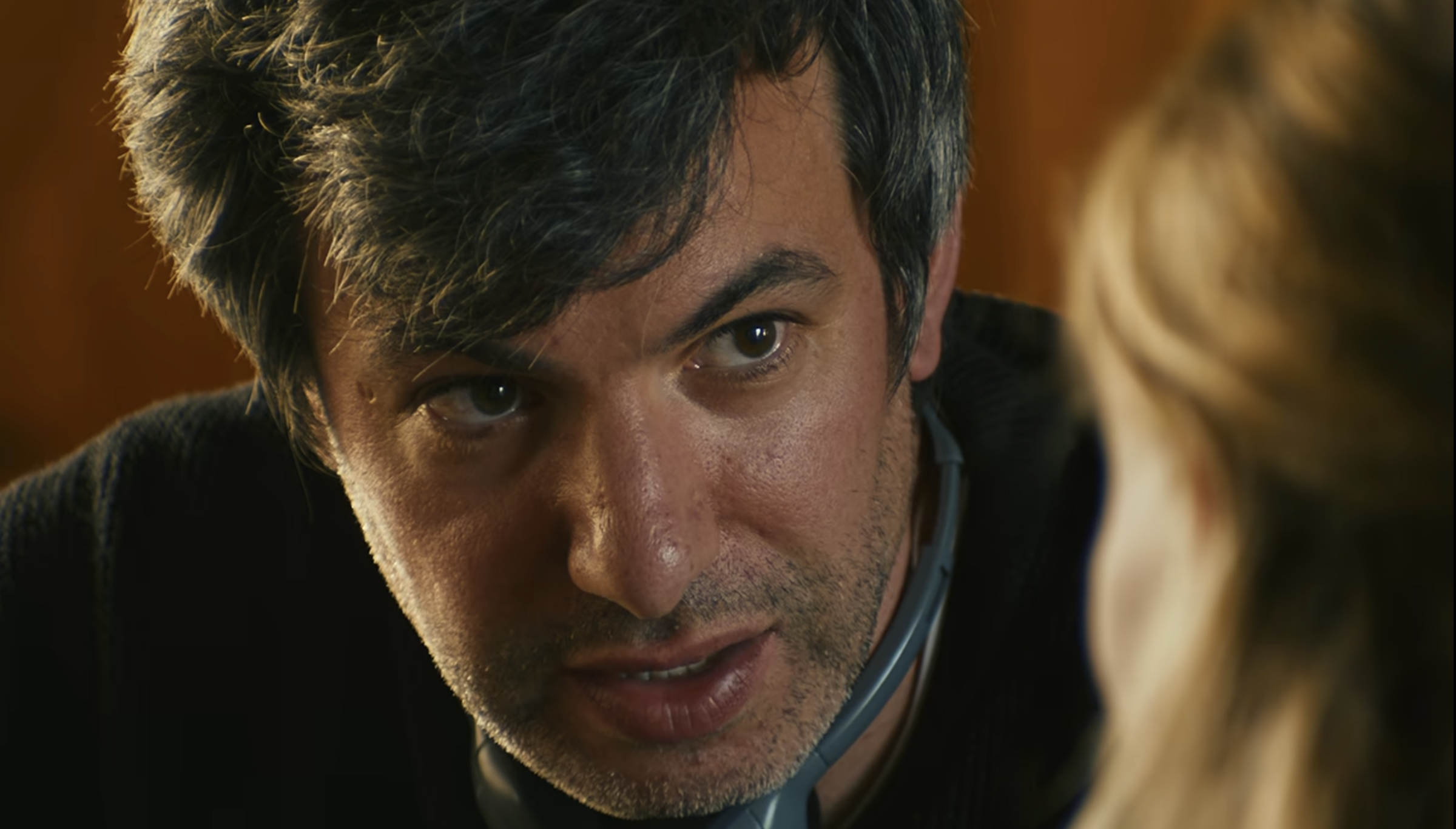
At a surface level, You Can See Everything sounds like an imaginary film, one that could only exist in a world where a comedian somehow gains access to an ex-billionaire con artist’s personal life. Yet somehow, Nathan Fielder made it happen.
The conceit of Fielder’s work, such as Nathan For You and The Rehearsal, calls into question whether Fielder is authentic or just a character. It’s often nearly impossible to distinguish whether he’s being genuine or putting on an act for the sake of comedy.
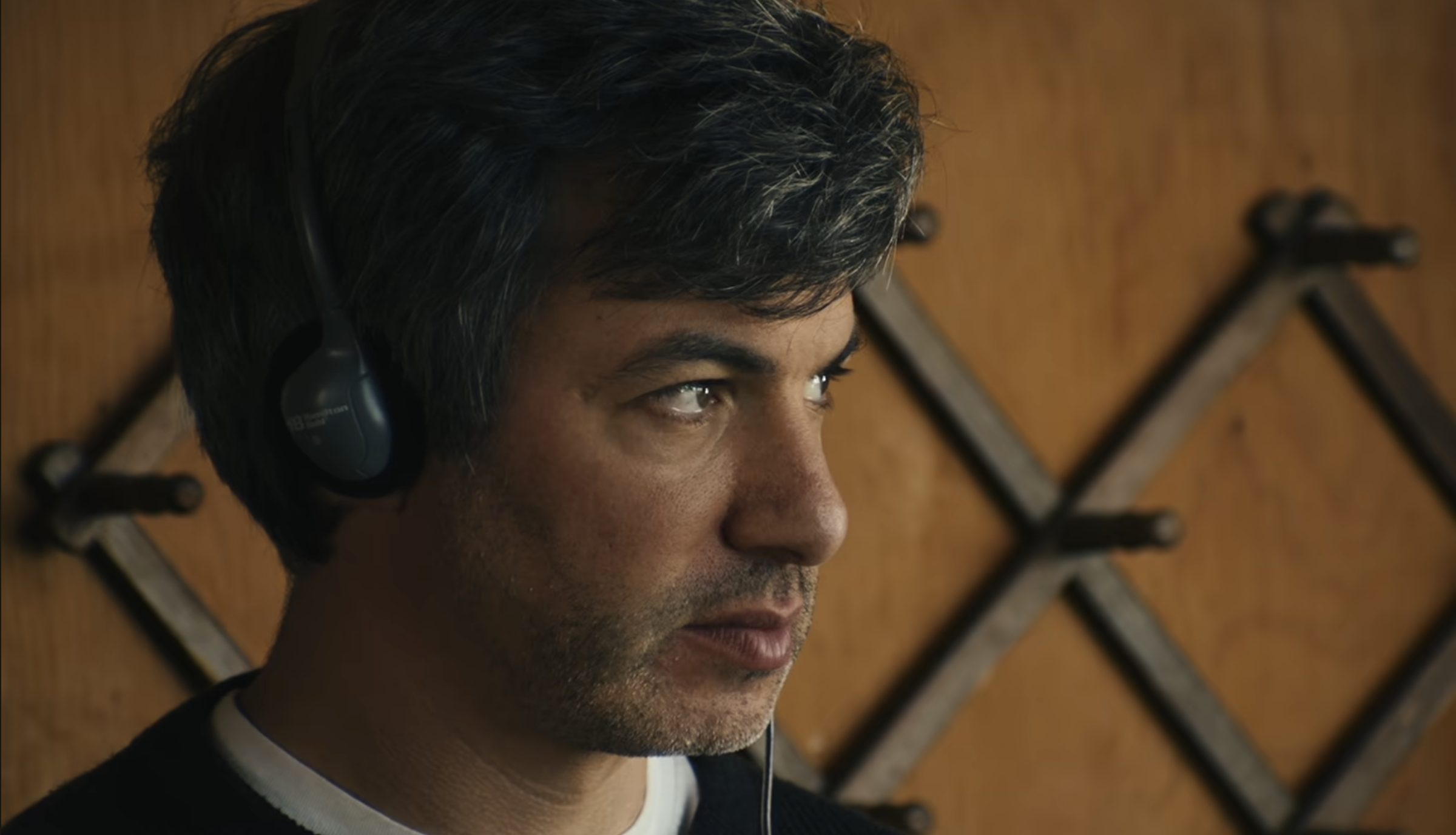
That’s what makes him such an interesting match alongside Elizabeth Holmes, known for creating Theranos and scamming investors out of millions. The documentary starts about a month before she began her prison sentence in May 2023.
Fielder stays skeptical at first, repeatedly asking Holmes whether she believes she did anything wrong. Despite her fraud conviction, Holmes reiterates that she believes she acted in good faith.
Lance Oppenheim and Fielder’s co-directorial style sells how deeply both sides are ingrained in their respective beliefs about Holmes’ wrongdoing. Even what would be considered typical shot-reverse-shot scenes are rich with layers of unspoken tension.
The faces of Fielder, Holmes, and Holmes’ husband, Billy Evans, often take up the entire screen. The camera captures every minute detail of their facial expressions, especially the eyes, creating a unique sense of intimacy between the viewer and the subjects.
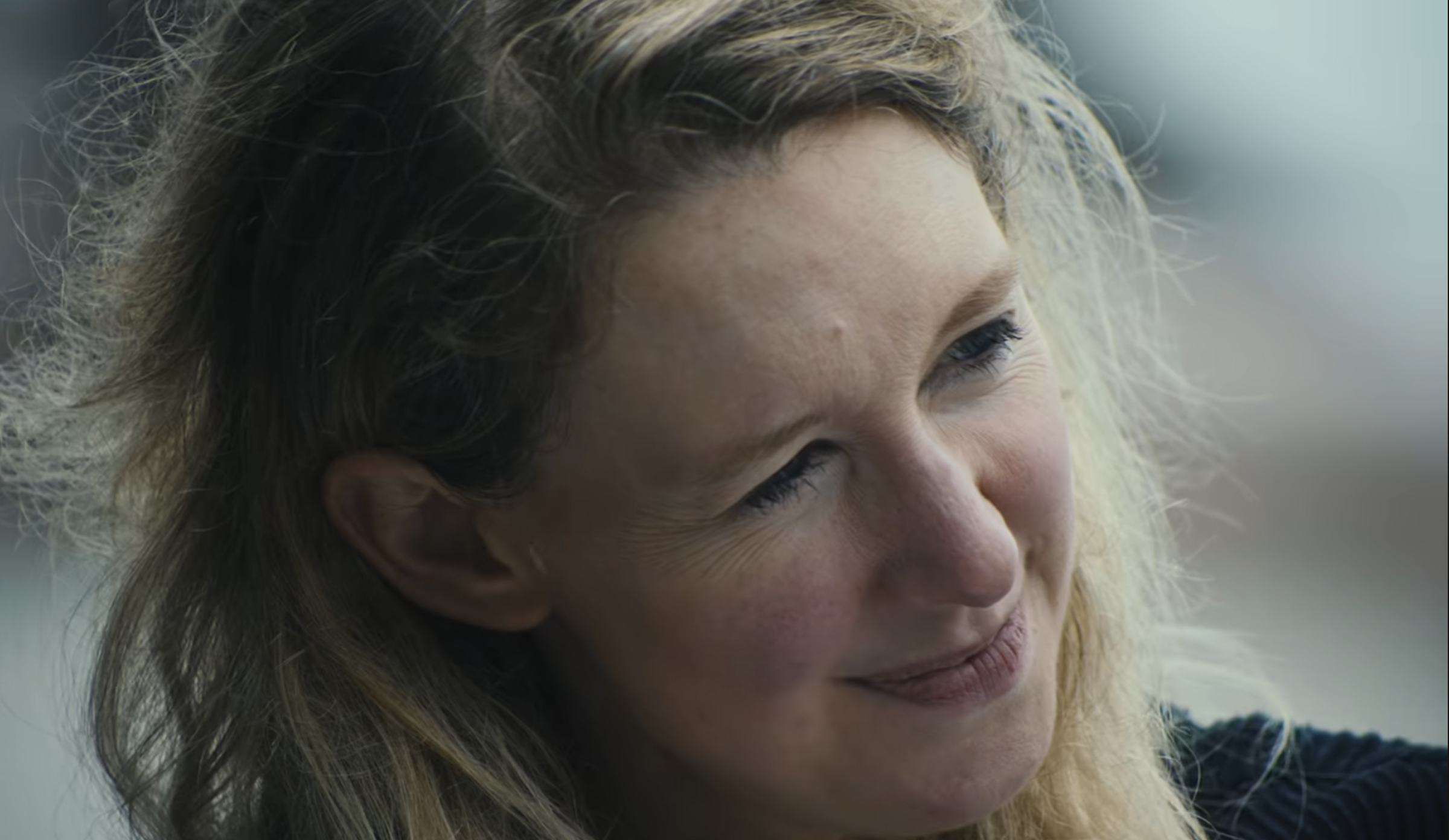
This unwavering focus on faces also casts a somewhat empathetic light on Holmes. Clips of her crying while learning about her life in prison and taking care of her kids in the San Diego house all humanize her and contradict the Hulu series The Dropout’s portrayal of her as a cold-blooded manipulator.
The first hour of You Can See Everything is exactly what one would expect from the documentary’s premise. After Holmes begins her prison sentence, the film takes an unexpected turn.
Rather than simply watching Holmes’ life from a distance, Fielder dives as deep as possible to access her life behind bars. The foreshadowing in the first hour brilliantly sets up the last two hours.
The most memorable moment is the scene where Holmes stirs egg yolks, and Evans steps in to stir for her. It’s a small detail, but an early indicator of Evans’ controlling nature and a lead-in to Fielder enlisting Amanda Seyfried to reenact unrecorded conversations with Holmes.
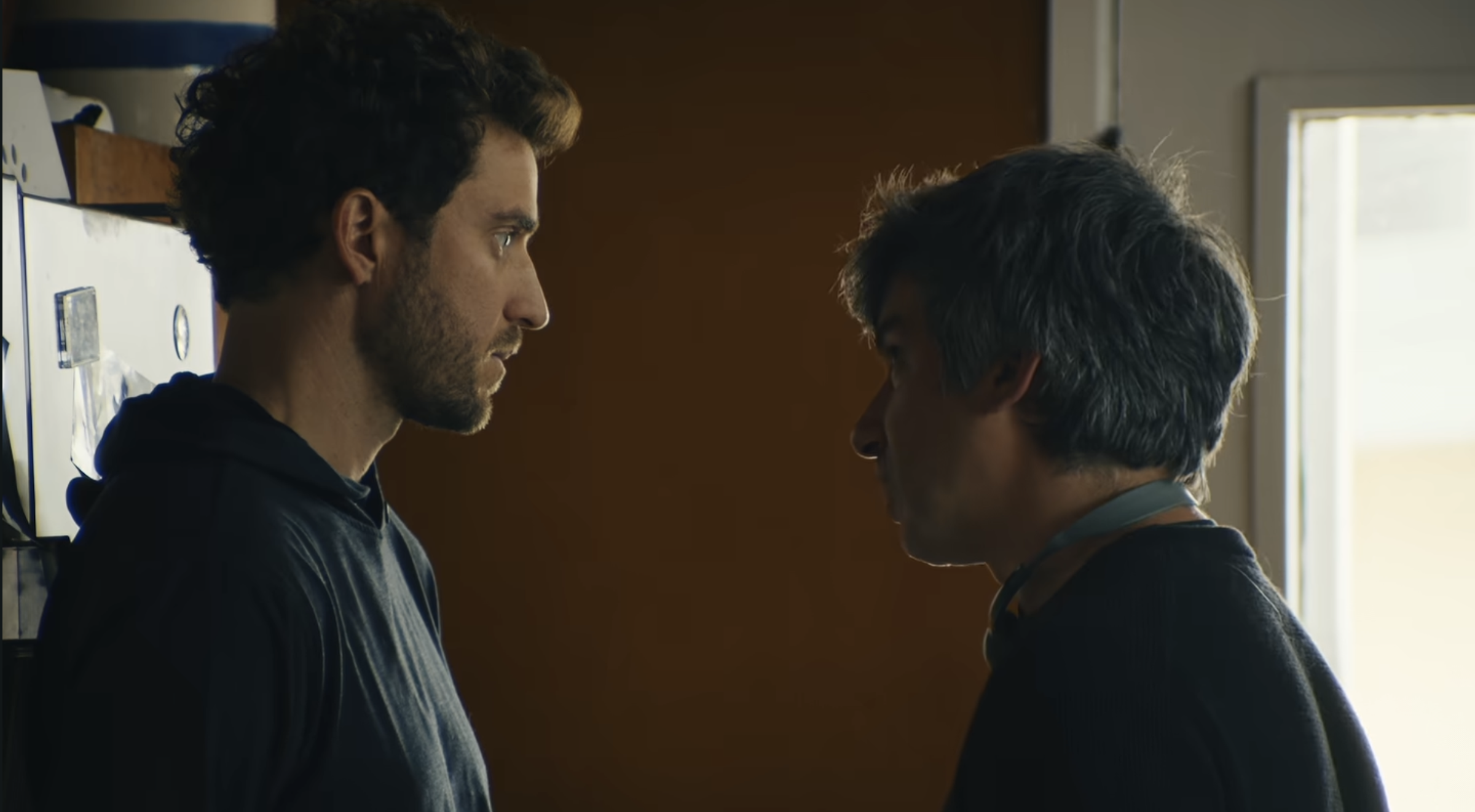
Seyfried brings invigorating, chaotic energy that propels the film forward in its second half. She’s the reason for the unforgettable conversation with Evans that reveals he’s been writing and sending tweets under Holmes’ name.
Similarly, she serves as an effective frictional force with Fielder, asking him questions about his perspective on Holmes. This culminates in a dramatic final scene in which Seyfried re-enacts Fielder’s prison visit and his attempt to tell her about Evans’ manipulation, a moment that works in two ways.
First, it shows how Holmes remains elusive, even when someone acts out of care and concern for her well-being. Secondly, it raises a question: are we really seeing everything or only the narrative that Fielder and his team allow us to see?
For a documentary, the truth is an untenable concept in You Can See Everything. Beyond the narrative throughline of Holmes and Evans’ relationship, a clear, growing affection also develops between Fielder and Holmes.

Fielder’s personal involvement problematizes his documentary’s premise by raising the question of whether he has become just another man telling Holmes’ story on her behalf. At the same time, Holmes herself is certainly not free of blame, and the public’s negative perception of her isn’t, either.
She repeatedly denies and uses the tactic of saying, “I don’t know,” to wear down conversations. Her persistent denial leaves viewers feeling that even with full access to her life, she and Evans lack real interiority.
You Can See Everything resists giving a clear conclusion, leaving viewers wondering whether Holmes herself is nothing more than a character.
It would be nearly impossible to discuss You Can See Everything without also talking about the circumstances around its release. The film even self-reflexively interrogates this idea by tackling Evans’ attempt at reaping monetary benefits from the box office.
The struggle between Fielder and Evans to control the money side of the movie also forces viewers to reflect on their own investment in the matter and the ethics of participating in an almost voyeuristic curiosity.
While I caught You Can See Everything at the New York Film Festival this year, I had to rewatch it, then watch it again, to make sure how impressed I was by the film wasn’t just a result of the hype around its secrecy. But after seeing it three times, I can confidently say that I still remain in awe of it.
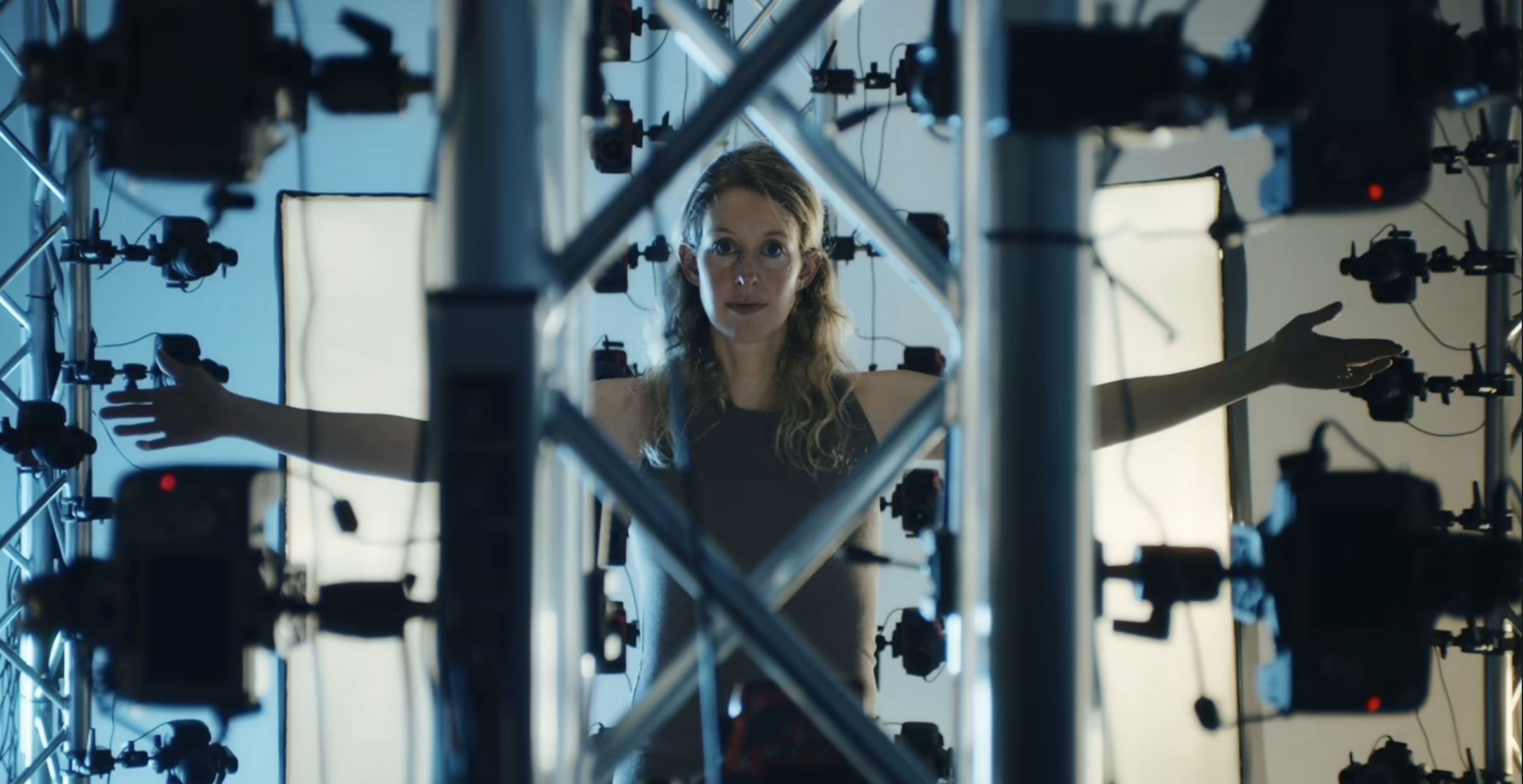
The logistics around Oppenheim and Fielder pulling off an immersive but tight camera setup are nothing short of remarkable. Additionally, Ari Balouzian’s synth- and piano-driven score is a work of art, adding rich layers of melodrama and tension to scenes.
Fielder compares hearing Holmes talk about Theranos to watching a magic trick, because it’s nearly impossible to tell whether what he’s seeing is real. In many ways, You Can See Everything is Fielder’s greatest magic trick: a documentary that leaves viewers wondering whether they’ve really seen anything they can believe.
Follow us on X and on Instagram!
Like us on Facebook!
Sam Huang

Sam Huang is a Rotten Tomatoes Tomatometer-approved critic who primarily covers television shows, primarily comedy series, across multiple sites. For Eulalie Magazine, they write movie reviews and provide music coverage, including concert and album reviews for indie and alternative rock artists.