
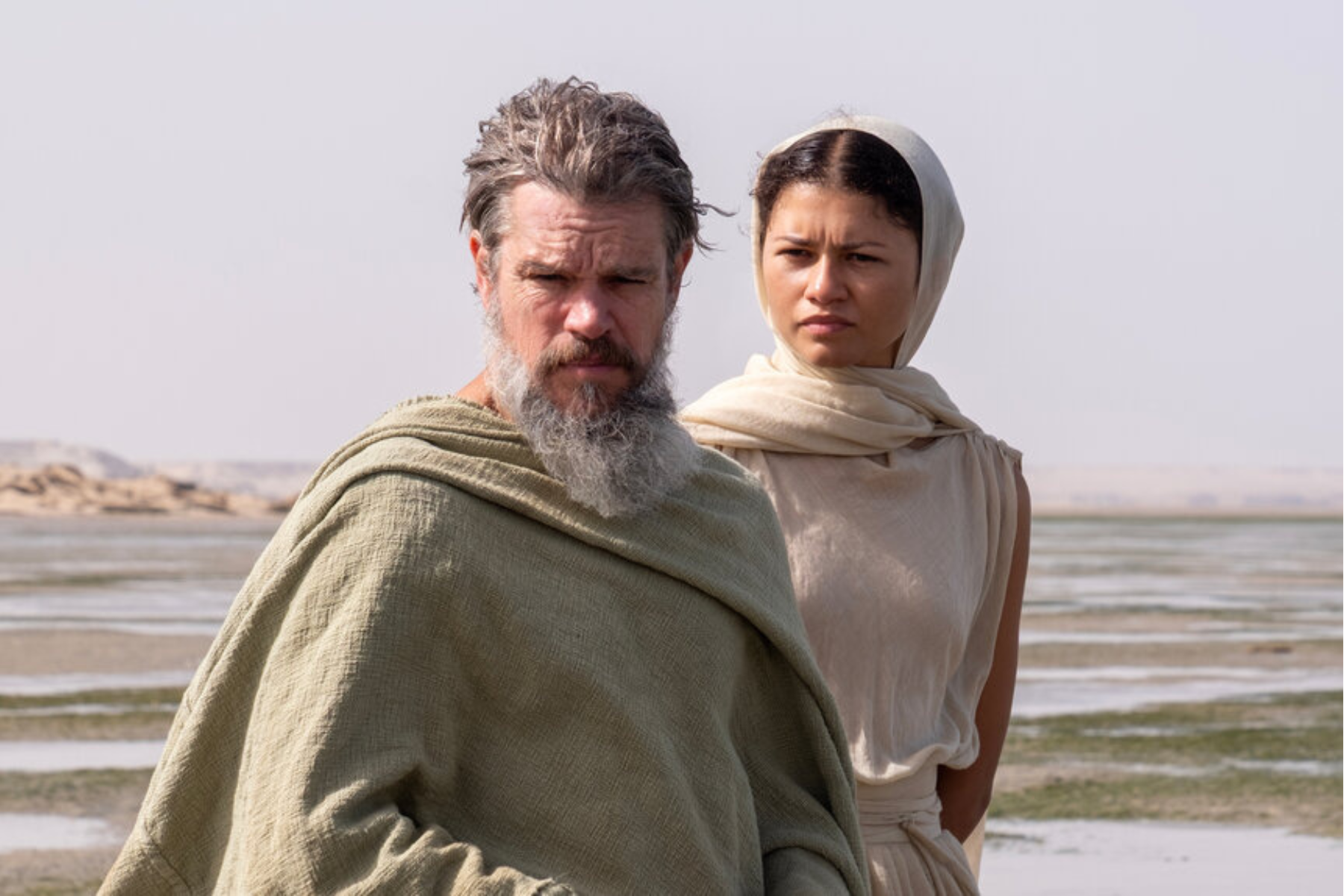
Some stories endure because they’re timeless. Others endure because every generation finds a new way to tell them. With The Odyssey, Christopher Nolan accomplishes something that feels nearly impossible: he transforms one of the oldest surviving works of literature into one of the most exhilarating cinematic experiences of the decade.
This isn’t simply another adaptation of Homer’s epic poem. It’s a reminder of what blockbuster filmmaking can look like when every creative decision serves the story rather than the spectacle.
Ironically, that commitment to storytelling produces some of the most breathtaking spectacle ever put on screen.
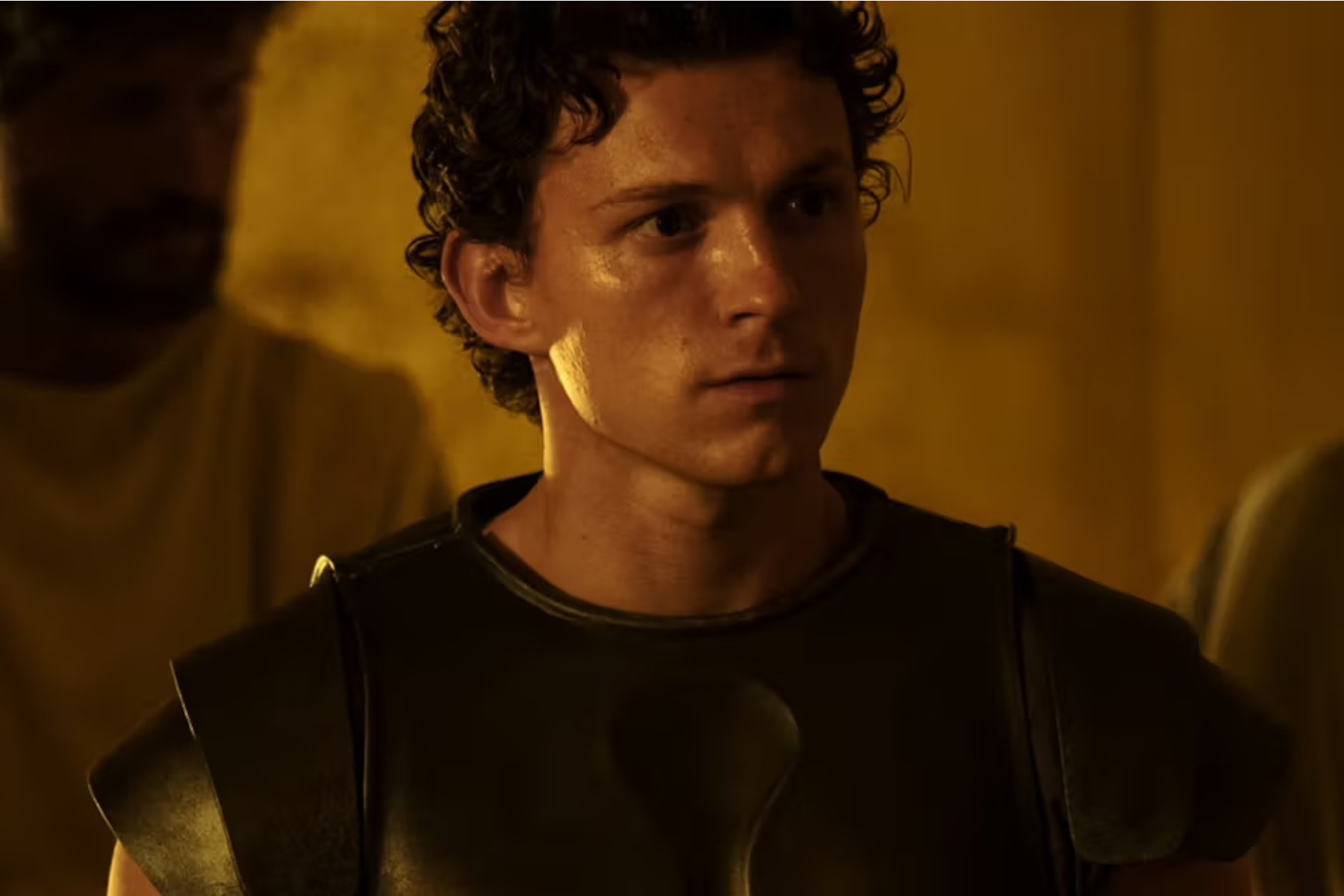
From its opening moments, The Odyssey demands your full attention. Nolan’s signature non-linear storytelling once again takes center stage, weaving together Odysseus’ twenty-year journey home into a narrative that continually reshapes what the audience knows about its hero.
In lesser hands, the structure could feel convoluted. Here, it becomes another obstacle on Odysseus’ impossible voyage, allowing viewers to experience the same uncertainty, regret, and hope that define his journey.
Visually, the film is astonishing.
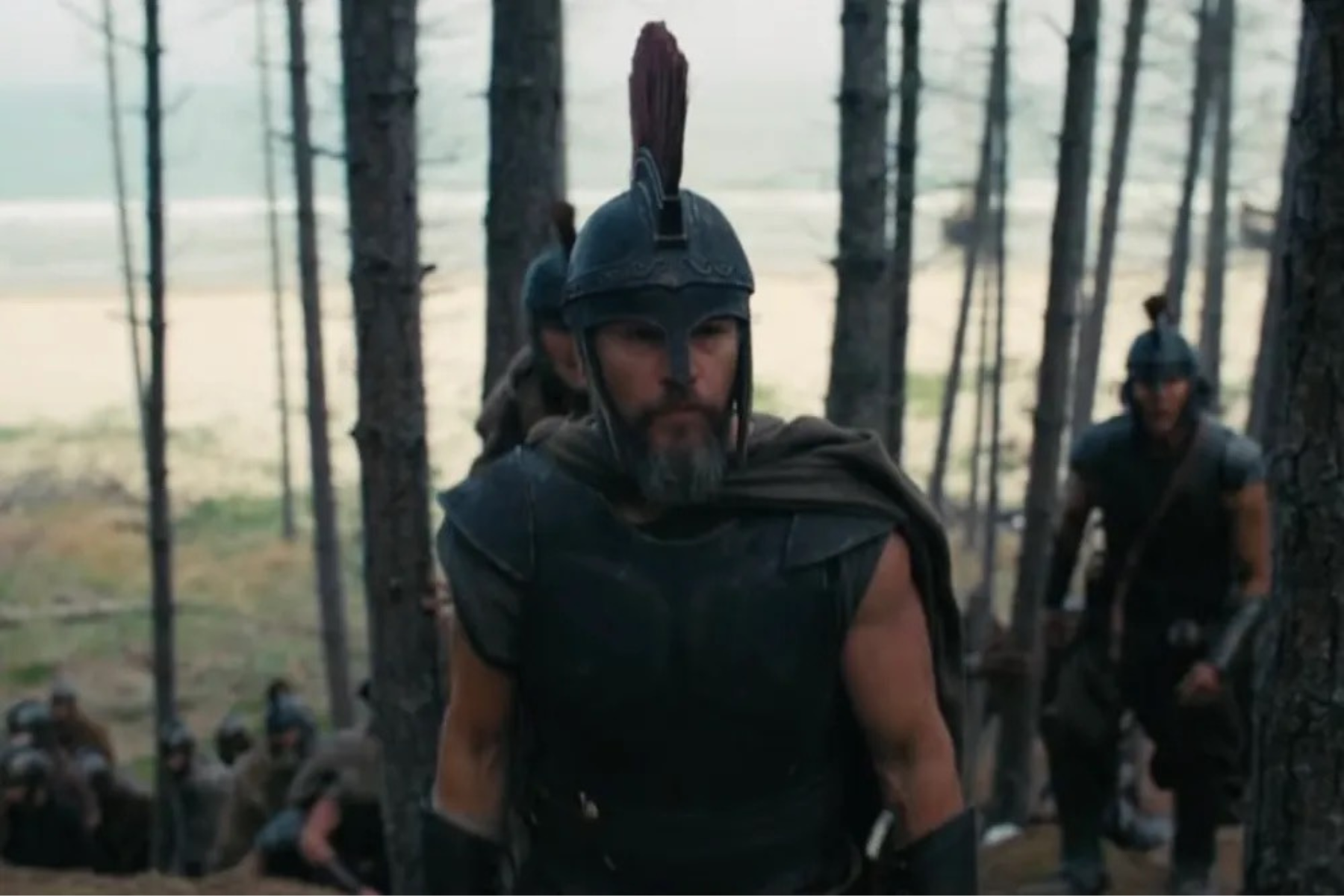
Nolan has long championed practical filmmaking, but The Odyssey feels like the culmination of everything he’s spent nearly two decades working toward. Towering ships crash against unforgiving seas. Mythical creatures emerge with terrifying scale.
Ancient cities feel genuinely lived in rather than digitally constructed. Every frame possesses a tangible weight that’s become increasingly rare in modern blockbuster filmmaking.
This is exactly the kind of movie theaters were built for.
Whether experienced in IMAX or another premium format, the sheer scope is impossible to ignore. Every location feels massive without ever overwhelming the story, creating an adventure that consistently balances intimate character moments with jaw-dropping action sequences.
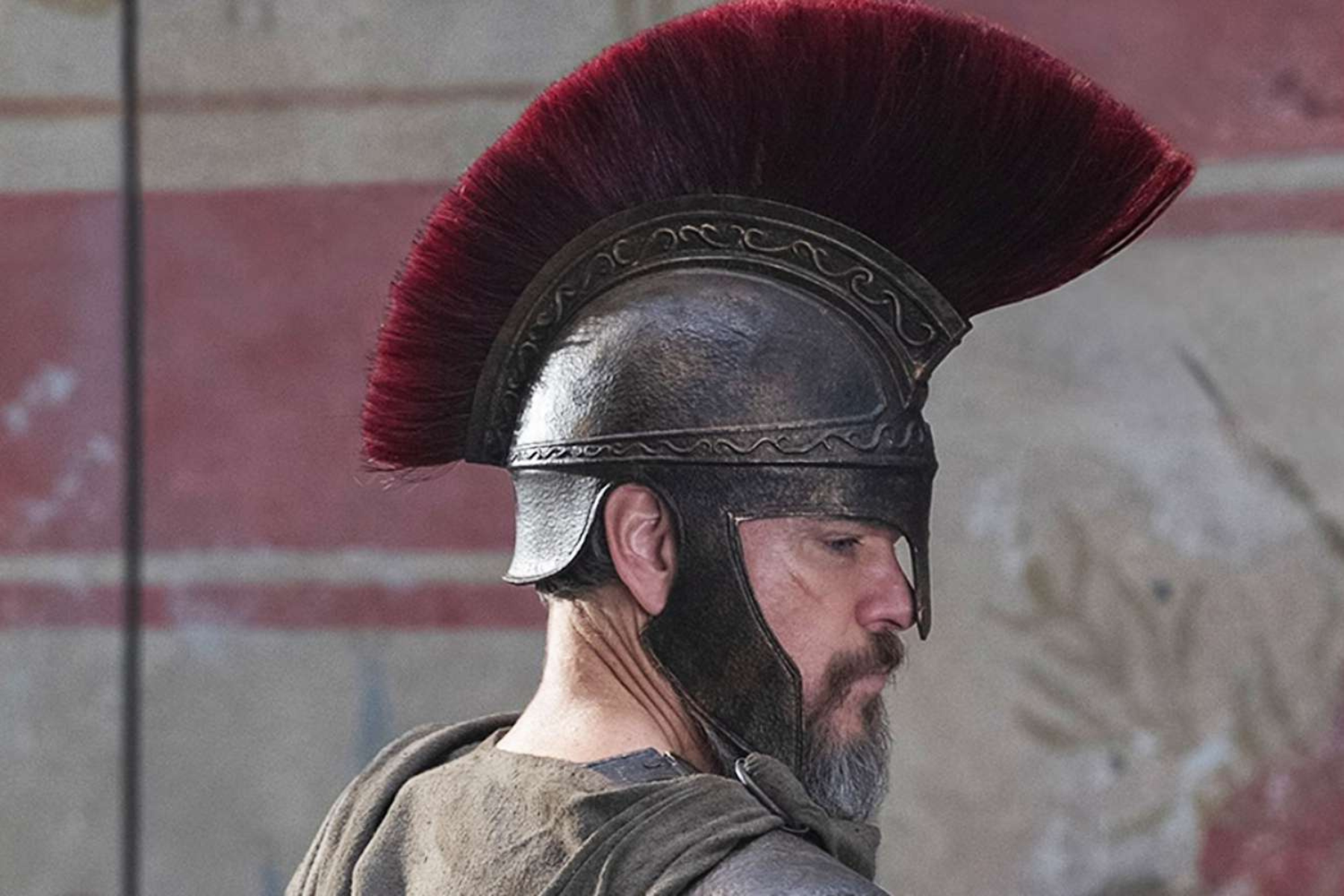
At the center of it all is Matt Damon, delivering one of the strongest performances of his career.
Rather than portraying Odysseus as an untouchable mythical hero, Damon presents him as a man haunted by the consequences of war. His performance carries the exhaustion of someone who has survived countless battles only to discover that the hardest journey still lies ahead.
Every reunion, every loss, and every impossible choice lands because Damon never lets audiences forget the emotional burden Odysseus carries beneath the armor.
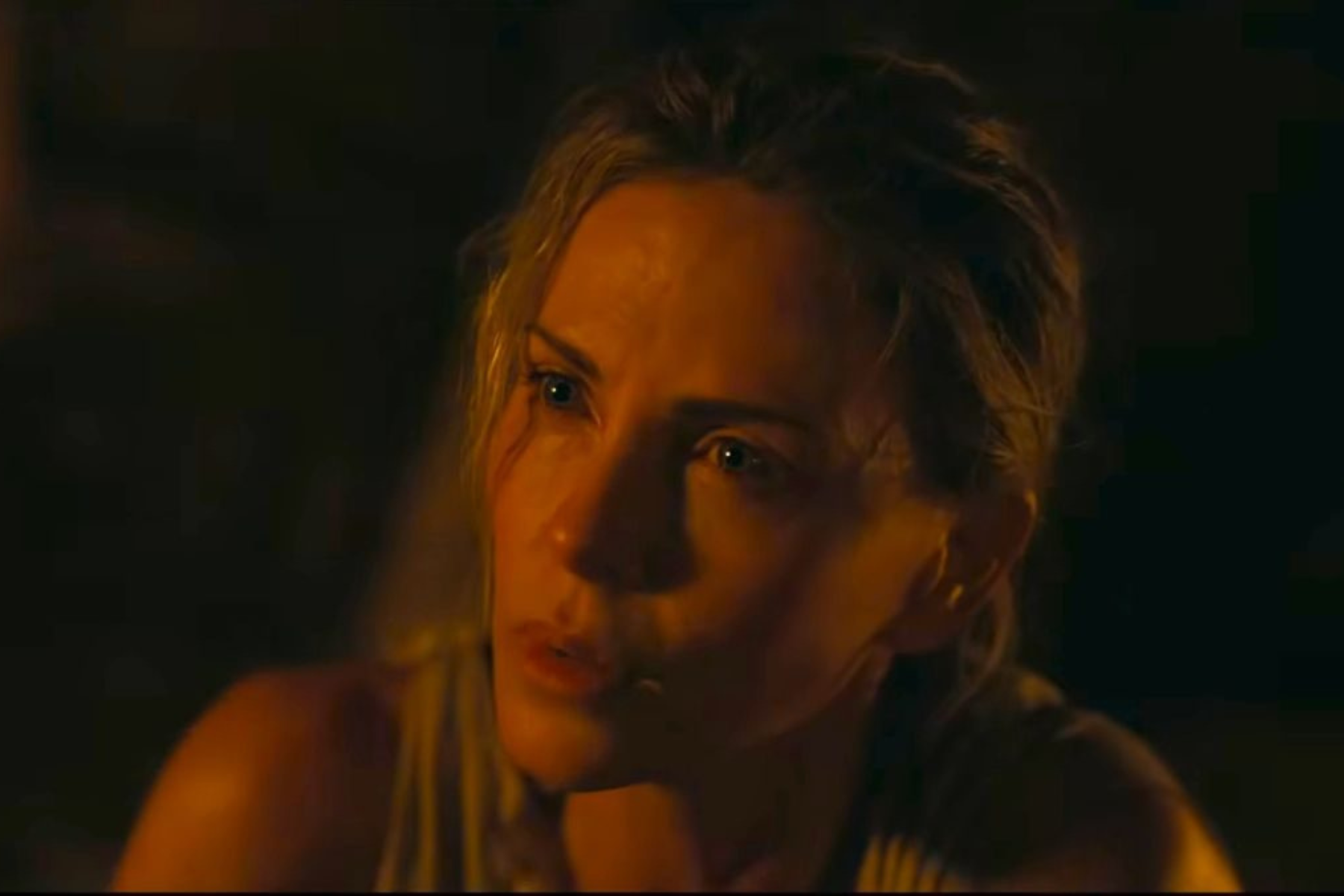
The supporting cast is equally remarkable.
Anne Hathaway brings quiet strength and unwavering resilience to Penelope, while Tom Holland delivers one of his most mature performances to date as Telemachus, a son forced to become a man while waiting for a father he barely remembers.
Charlize Theron, Zendaya, Robert Pattinson, Lupita Nyong’o, Samantha Morton, Jon Bernthal, Elliot Page, and Himesh Patel each leave memorable impressions despite sharing an ensemble packed with recognizable faces.
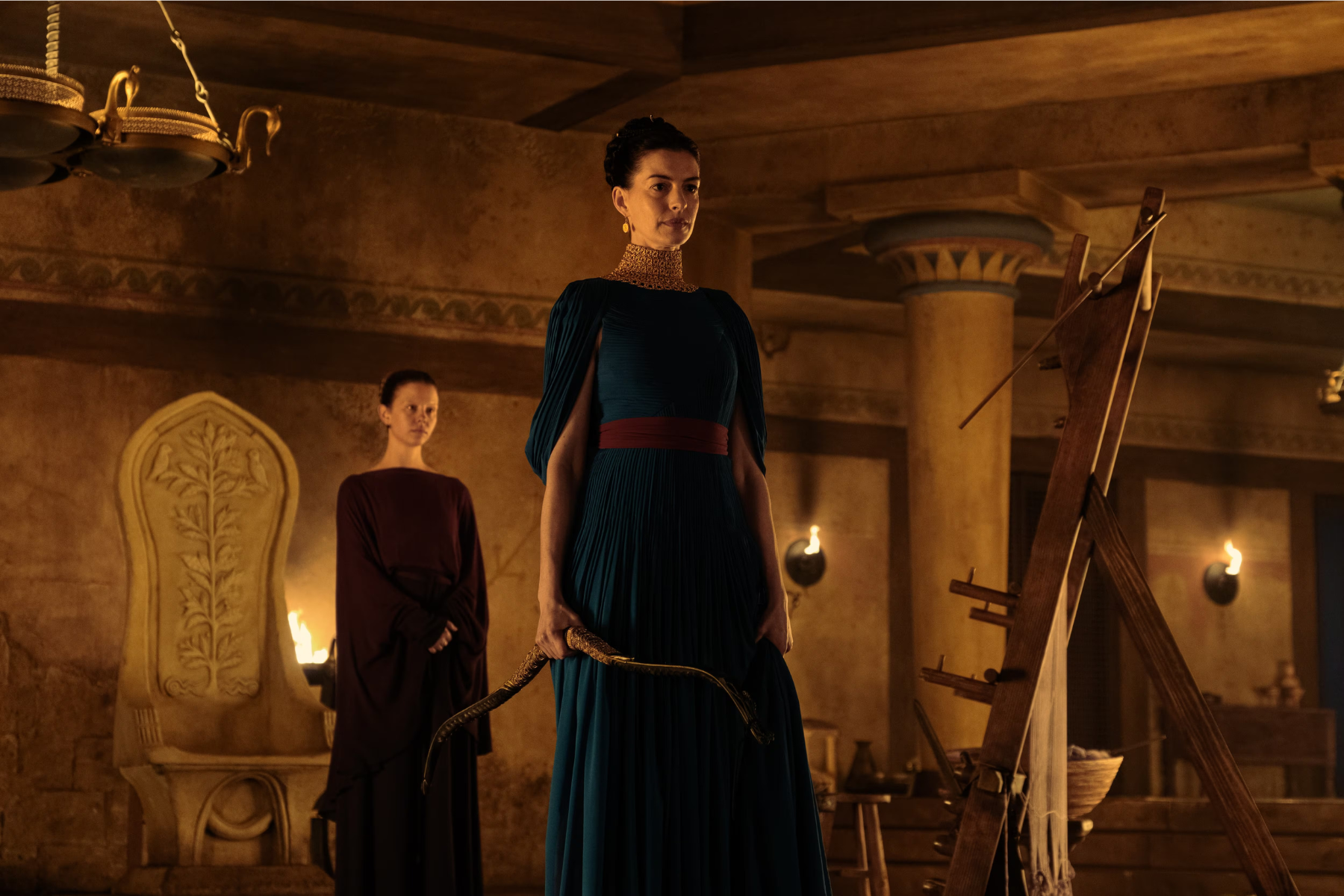
Nolan somehow manages to give nearly every major character a defining moment without losing sight of the central narrative.
What ultimately separates The Odyssey from countless other historical epics is its willingness to embrace the mythology.
The gods aren’t treated as an afterthought. Neither are the monsters, witches, sirens, or impossible encounters that have captivated readers for centuries. Rather than grounding everything in realism, Nolan fully commits to Homer’s imagination, creating a world where mythology feels both wondrous and frightening.
It’s a welcome reminder that fantasy doesn’t need to apologize for being fantastical.
The film also succeeds because it understands that spectacle without emotion is ultimately hollow.
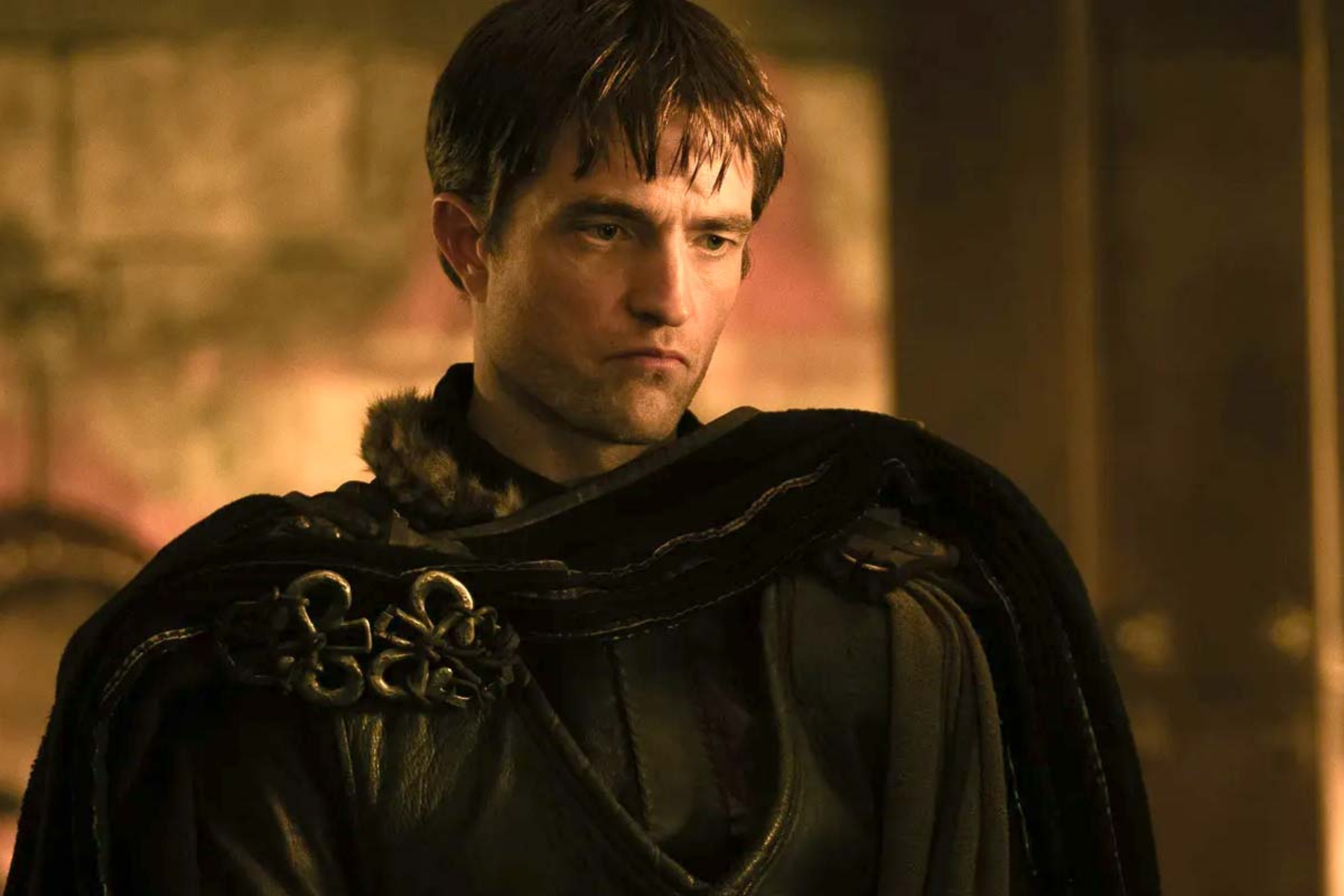
Beneath the towering waves, impossible creatures, and thrilling action lies a deeply human story about guilt, forgiveness, perseverance, and the longing for home. Every obstacle Odysseus faces becomes less about defeating monsters and more about confronting the man he became during the Trojan War.
Nolan explores these ideas with surprising tenderness, giving the film an emotional core that grounds its larger-than-life adventure.
Ludwig Göransson’s sweeping score elevates nearly every sequence, shifting effortlessly between thunderous action and haunting introspection. Combined with Hoyte van Hoytema’s breathtaking cinematography, the result is an audiovisual experience that consistently leaves audiences in awe.
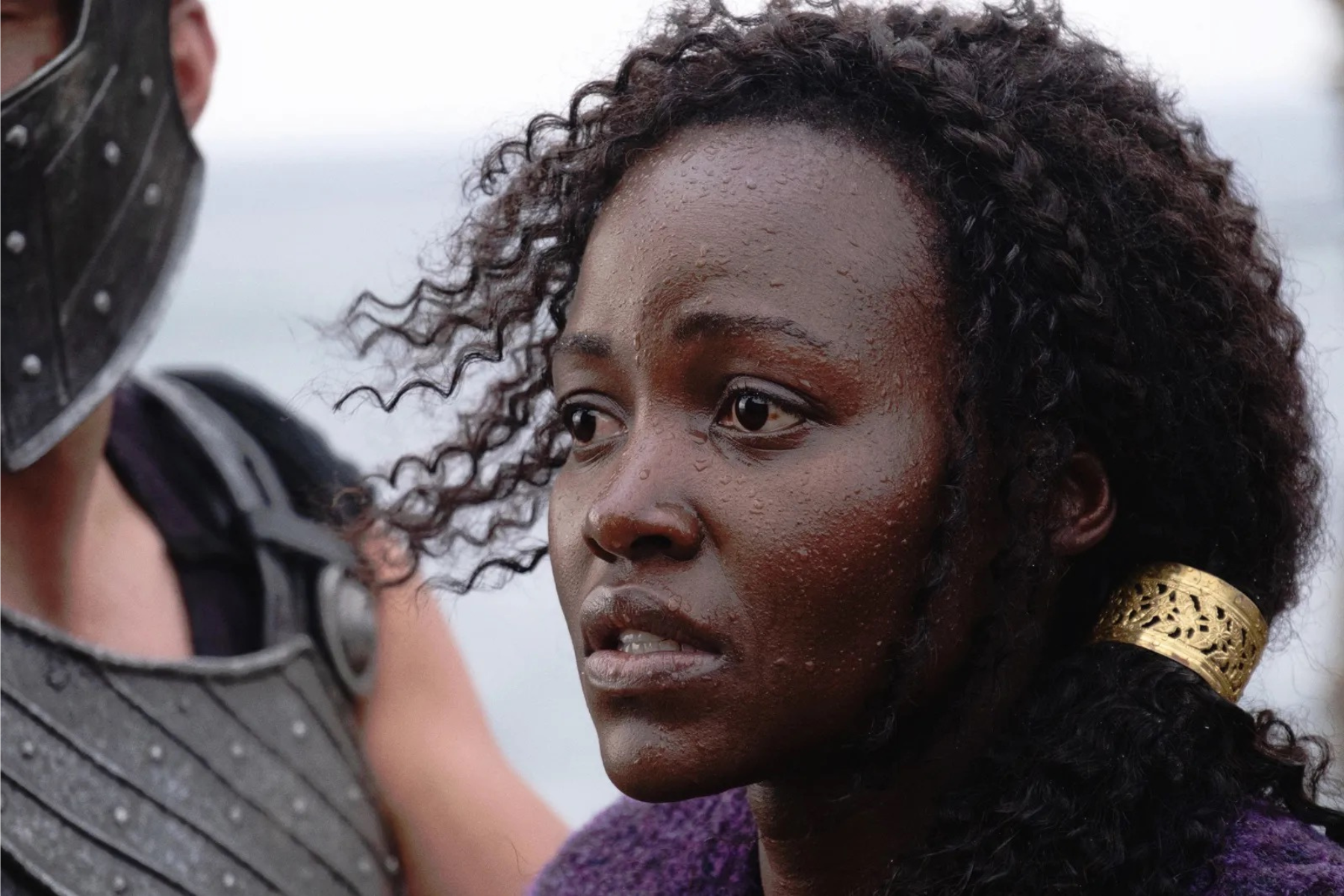
Perhaps most impressive is how effortlessly the film moves despite its nearly three-hour runtime.
There isn’t a wasted scene. Every chapter introduces a new challenge, expands the mythology, or deepens the emotional journey.
Long before the credits roll, it becomes clear that you’re witnessing something increasingly rare: a blockbuster that trusts its audience, rewards patience, and never compromises its artistic ambition.
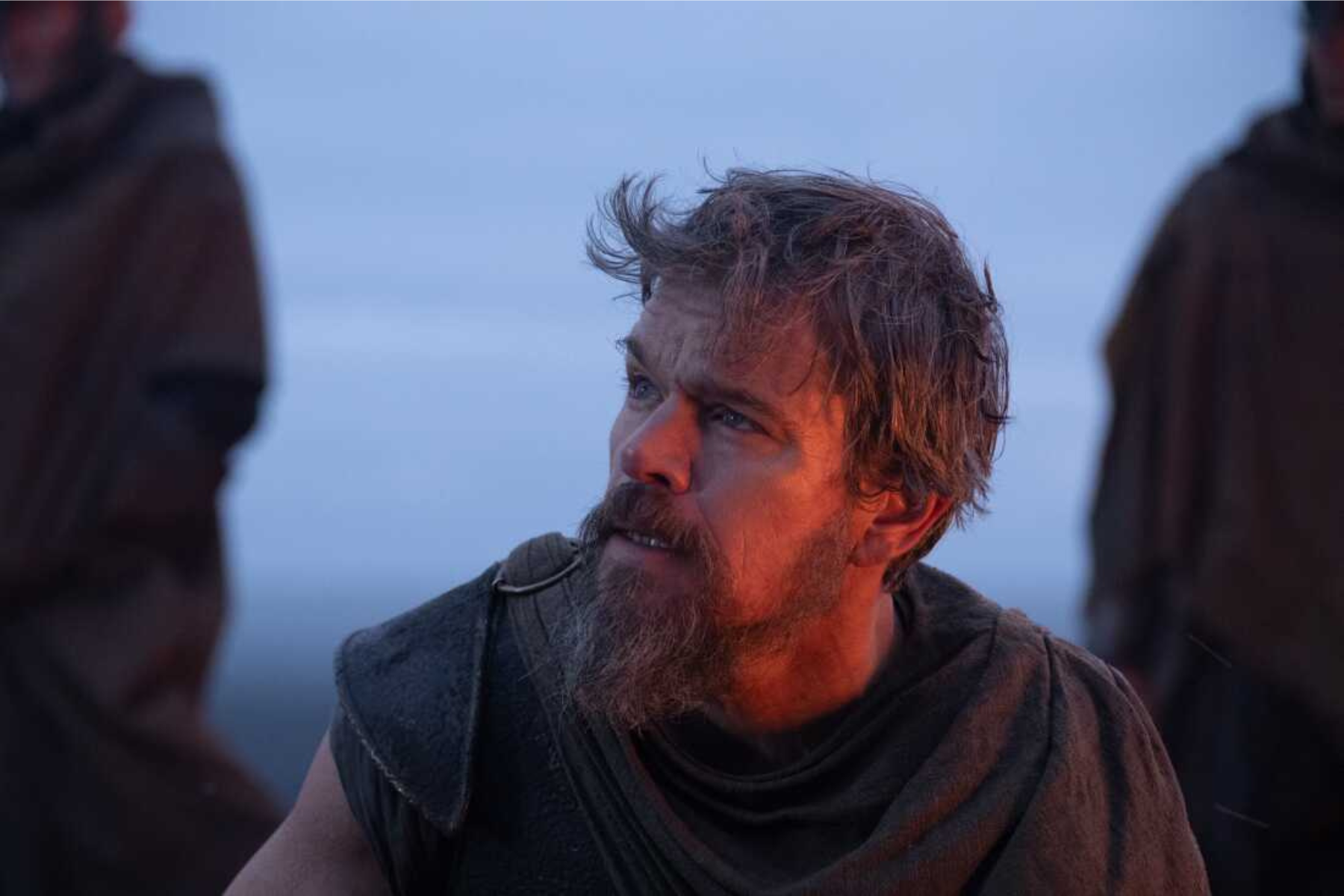
Christopher Nolan has spent years redefining what modern event filmmaking can be. With The Odyssey, he may have created his most complete work yet.
It’s thrilling without becoming exhausting. Emotional without becoming sentimental. Spectacular without losing sight of its humanity. Most importantly, it reminds audiences why movies remain one of our greatest storytelling mediums.
Some films entertain.
Some films impress.
The Odyssey accomplishes something even rarer. It leaves you feeling like you’ve witnessed cinematic history.
The Odyssey is now playing in theaters!
Follow us on X and on Instagram!
Like us on Facebook!
Tim H

Tim is a creator and creative with a deep passion for TV, movies, music and pop culture. With a sharp eye for storytelling and a love for all things on screen, he brings entertaining, thoughtful, and often hilarious commentary to his growing community. Whether he’s breaking down a plot twist, highlighting overlooked characters, or sharing his unfiltered reactions, Tim makes screen time feel like a conversation with your favorite binge-watching bestie. In addition to being a creator, Tim co-hosts a podcast called Rated T&T where he dives even deeper into fandom, music, and media alongside his co-host, delivering hot takes, deep dives, and lively fan-focused discussions and interviews that feel like a group chat brought to life! Streaming on Spotify, Apple Music, iHeartRadio and YouTube! Follow along: TikTok & IG (Tim): @casualfandomwithtim | TikTok & IG (Rated T&T): @ratedtandtpodcast